
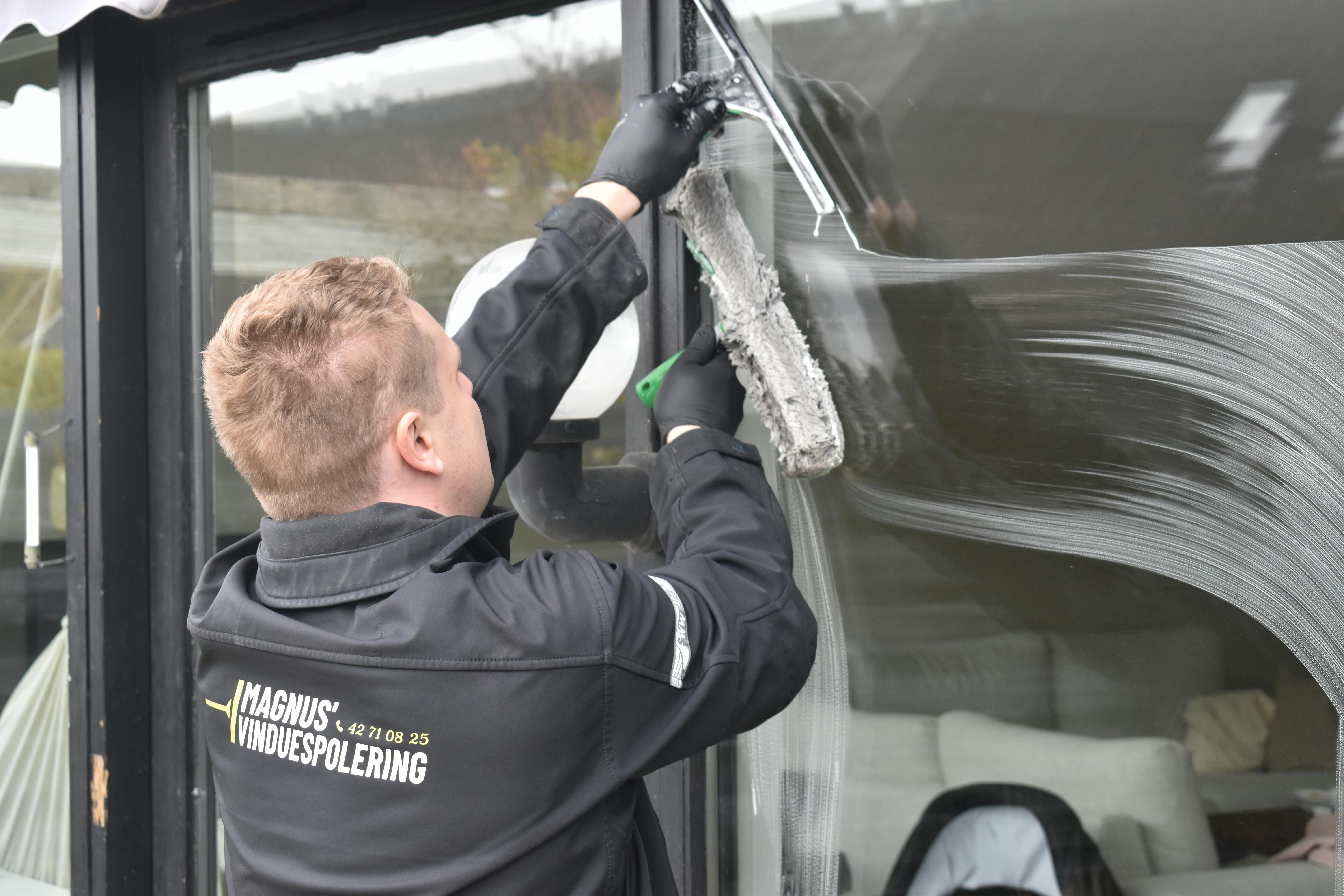
Effective property maintenance is critical for ensuring the longevity and value of any real estate investment. Preventive maintenance, in particular, plays a vital role in this process, as it aims to address potential issues before they become significant problems. By employing a proactive maintenance strategy, property owners can not only extend the life of their assets but also enhance safety, minimize operational costs, and improve occupant satisfaction. This article delves into the essential aspects of preventive property maintenance, offering insights into its benefits, best practices, and strategies for implementation.
Understanding Preventive Property Maintenance
Preventive maintenance refers to the routine inspection and servicing of property systems and components to prevent unexpected failures. This approach involves scheduling regular inspections and maintenance tasks based on the equipment’s lifecycle and usage patterns. By doing so, property owners can avoid costly repairs, reduce downtime, and maintain property value.
Key Components of Preventive Maintenance
- Regular inspections and assessments to identify potential issues early.
- Routine tasks such as cleaning, lubrication, and adjustments.
- Timely repairs and replacements of worn-out components.
- Documentation of maintenance activities for future reference.
For those looking to implement a robust preventive maintenance strategy, learn more in this detailed guide.
Benefits of Preventive Property Maintenance
There are numerous advantages to adopting a preventive maintenance approach, which can significantly impact the long-term success of property management:
Cost Savings
Addressing minor issues before they escalate into major problems can save property owners significant amounts of money. Preventive maintenance reduces the frequency and severity of unexpected repairs, resulting in lower maintenance costs over time. Explore further insights here.
Enhanced Safety and Compliance
Regular maintenance ensures that property systems function correctly, reducing the risk of accidents and liability issues. Additionally, it helps in complying with local regulations and standards, avoiding potential fines and legal complications.
Increased Property Value
Well-maintained properties are more attractive to potential buyers and tenants. By ensuring that all property components are in excellent condition, owners can maintain or even increase the property’s market value. For more on maintaining property value, find additional information here.
Implementing a Preventive Maintenance Plan
Developing an effective preventive maintenance plan requires a strategic approach and attention to detail. Here are steps to consider when creating a plan:
Assessment and Planning
- Conduct a thorough assessment of the property to identify maintenance needs.
- Develop a maintenance schedule based on the assessment findings.
- Allocate resources, including budget and personnel, to support the plan.
To dive deeper into creating a comprehensive maintenance plan, read more about this topic.
Execution and Monitoring
- Implement the maintenance tasks as per the schedule.
- Monitor the effectiveness of the maintenance activities.
- Adjust the plan as necessary to address emerging issues or inefficiencies.
Conclusion
Preventive property maintenance is a critical aspect of successful property management. By proactively addressing maintenance needs, property owners can ensure the safety, functionality, and value of their investments. Implementing a well-structured preventive maintenance plan not only saves costs but also enhances property longevity and appeal. For more insights and resources on preventive maintenance, explore further insights here.