
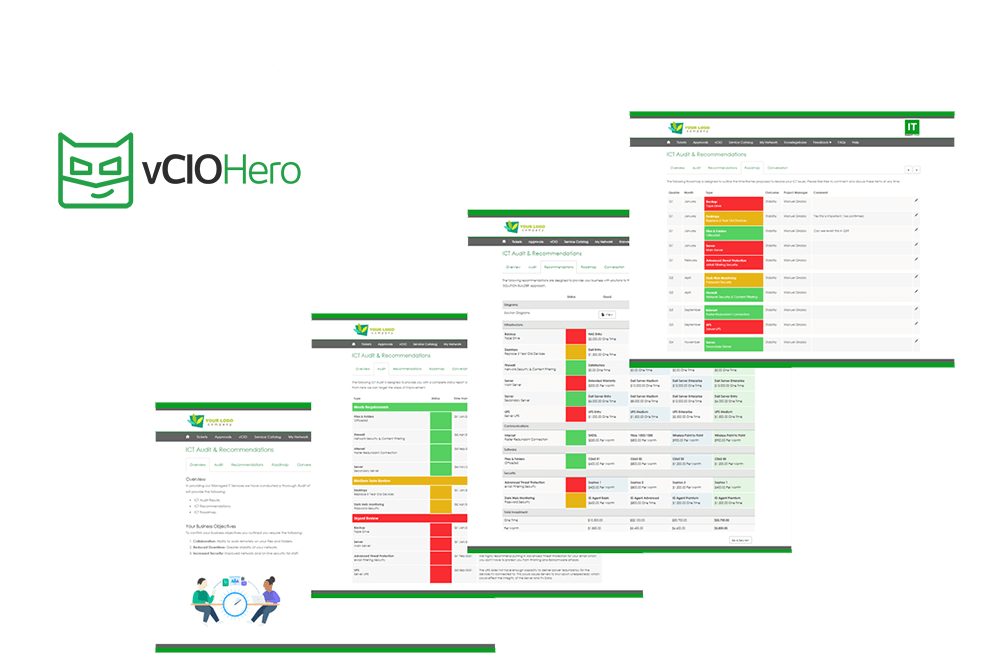
In the rapidly evolving landscape of information technology, businesses continually seek innovative solutions to maintain a competitive edge. A strategic approach to IT management is crucial, and the concept of a Virtual Chief Information Officer (vCIO) has emerged as a powerful tool to transform a company’s IT strategy. By leveraging vcio solutions, organizations can enhance their IT operations, align technology with business goals, and drive growth efficiently. This article delves into how vCIO solutions can revolutionize your IT strategy, ensuring that businesses remain agile and forward-thinking.
Understanding the Role of a vCIO
A vCIO is a strategic partner that functions similarly to a traditional Chief Information Officer but offers flexible, scalable services tailored to the needs of dynamic businesses. Unlike an in-house CIO, a vCIO brings external expertise, cost-effectiveness, and a broad perspective on industry best practices.
Key Responsibilities of a vCIO
- Strategic Planning: Provides guidance on the development and execution of IT strategies aligned with business objectives.
- Budget Management: Assists in creating and managing IT budgets to optimize resources without compromising service quality.
- Vendor Management: Oversees vendor relationships to ensure the best value and performance from technology suppliers.
- Risk Management and Compliance: Identifies potential risks and ensures compliance with industry standards and regulations.
Benefits of Implementing vCIO Solutions
Integrating vcio software into an organization’s IT framework offers numerous advantages that are instrumental in enhancing overall business performance.
Enhanced Strategic Alignment
vCIO solutions ensure that IT strategies are closely aligned with the core business objectives. By understanding the unique challenges and goals of a business, a vCIO can tailor technology solutions that support growth and innovation effectively.
Cost Efficiency and Flexibility
Unlike a full-time CIO, a vCIO provides the flexibility to scale services up or down based on business needs, offering significant cost savings. This model allows businesses to access high-level expertise without the financial burden of a full-time executive salary.
Access to Cutting-Edge Technology
With the ever-changing landscape of technology, staying updated can be challenging. A vCIO brings valuable insights into emerging technologies and trends, enabling businesses to adopt the latest tools and solutions that enhance productivity and competitive advantage.
Implementing a vCIO: Steps to Success
Adopting a vCIO approach requires careful planning and execution. Here are steps to ensure a successful implementation:
Assessment and Planning
- Conduct a thorough assessment of current IT infrastructure and resources.
- Define clear business objectives and align them with IT strategies.
- Identify areas where a vCIO can add value and improve efficiency.
Selecting the Right vCIO Partner
- Choose a vCIO with a proven track record in relevant industries.
- Ensure the partner has a deep understanding of the latest technology trends and tools.
- Look for a collaborative approach that involves regular communication and reporting.
Conclusion
Incorporating a vCIO into an organization’s IT strategy can significantly enhance its ability to adapt and thrive in a competitive market. By aligning IT initiatives with business goals, managing costs effectively, and keeping pace with technological advancements, businesses can achieve sustainable growth and innovation. Embracing this transformative approach will not only optimize IT operations but also empower businesses to navigate the complex digital landscape with confidence. For further insights into how a vCIO can transform your business, explore more about vcio solutions.