
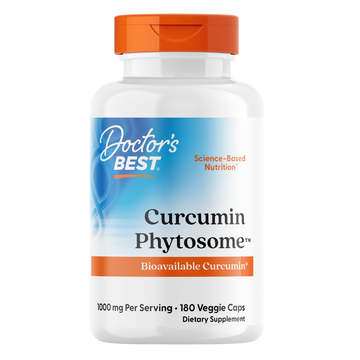
Turmeric has moved from kitchen spice to a staple of modern wellness, largely because of its active component, curcumin. In the United Kingdom, the market for turmeric supplements has expanded rapidly, offering consumers a wide range of options, from capsules and tablets to liquid extracts. Choosing the right product, however, can be confusing without a clear understanding of what to look for and why each factor matters. This guide breaks down the essential criteria, explains the science behind curcumin’s benefits, and highlights practical tips for selecting high-quality turmeric supplements in the UK.
Understanding the Core Ingredient: Curcumin
Curcumin is the bright yellow polyphenol that gives turmeric its colour and most of its health-promoting properties. Research suggests it may support:
- Inflammation reduction
- Joint comfort and mobility
- Antioxidant defence
- Digestive health
- Metabolic balance
While the raw spice contains only about 3″?% curcumin by weight, supplement manufacturers concentrate the extract to deliver therapeutic doses in a convenient form.
Key Factors to Evaluate When Buying Turmeric Supplements in the UK
1. Curcumin Content & Standardisation
Look for products that clearly state the amount of curcumin per serving and whether the extract is standardised to a specific percentage (commonly 95″?% curcuminoids). Standardisation ensures a consistent dose, which is critical for reproducible results.
2. Bioavailability Enhancers
Curcumin is poorly absorbed on its own. Effective supplements combine curcumin with agents that boost uptake, such as:
- Black pepper extract (piperine): Increases absorption up to 2000″?%.
- Phospholipid complexes (e.g., Meriva??): Encapsulate curcumin for better cellular delivery.
- Nanoparticle or micelle technology: Improves solubility in the digestive tract.
3. Formulation Type
Different formats suit different lifestyles:
- Capsules/Tablets: Most common; easy to dose.
- Softgels: Often contain oil-based curcumin for enhanced absorption.
- Powders: Flexible for mixing into smoothies, but require precise measuring.
4. Purity & Additive Profile
High-quality supplements avoid unnecessary fillers, artificial colours, and allergens. Check the label for:
- Gluten-free, dairy-free, and vegan certifications if relevant.
- Absence of heavy metals and pesticide residues (look for third-party testing).
5. Regulatory Compliance & Transparency
In the UK, supplements must comply with the Food Supplements (England) Regulations 2003 and be listed on the Food Standards Agency database. Reputable brands provide:
- Batch numbers and manufacturing dates.
- Certificates of Analysis (CoA) from independent labs.
- Clear dosage instructions.
Why These Criteria Matter for Your Health Goals
Choosing a supplement that meets the above standards directly influences efficacy and safety. For instance, a low-dose, non-standardised product may not deliver enough curcumin to affect inflammation, while a high-dose product lacking a bioavailability enhancer could be largely excreted unchanged.
Practical Tips for Selecting the Right Product
- Read the label for a minimum of 500″?mg of curcumin per serving, standardised to 95″?% curcuminoids.
- Prioritise formulations that include piperine or a phospholipid complex.
- Check for third-party testing symbols such as NSF, Informed-Sport, or UK-based labs.
- Consider your dietary preferences, vegan capsules are often made from plant-based gelatin alternatives.
- Start with the recommended dose and monitor any changes in joint comfort, energy levels, or digestive ease.
Where to Find Trusted Options in the UK Market
Several reputable online retailers specialise in high-quality turmeric and curcumin products. When browsing, look for collections that feature the best turmeric supplements uk and ensure the product description includes details on standardisation and bioavailability. Many of these sites also group items under convenient categories such as turmeric supplements uk, making it easier to compare formulations side by side.
Common Myths About Turmeric Supplements
- Myth: “All turmeric pills are the same.”
- Fact: Potency, bioavailability, and purity vary widely; always verify the label.
- Myth: “Higher price always means better quality.”
- Fact: Price reflects formulation technology and testing, not just brand prestige.
- Myth: “You can replace a balanced diet with supplements.”
- Fact: Supplements complement, not replace, a diet rich in whole foods.
Integrating Turmeric Supplements into a Daily Routine
For optimal absorption, take curcumin with a small amount of healthy fat (e.g., olive oil, avocado, or a nut butter). Pairing the supplement with a meal that contains black pepper or a dedicated piperine-enhanced formula maximises bioavailability.
Sample Daily Schedule
- Morning: 1 capsule with breakfast (e.g., oatmeal with nuts).
- Mid-day: Optional second dose with a salad dressed in olive oil.
- Evening: If using a powder, stir into a warm turmeric latte.
Conclusion
Choosing the right turmeric supplement in the UK hinges on understanding curcumin content, bioavailability enhancers, purity, and regulatory compliance. By focusing on these core criteria, consumers can confidently select a product that aligns with their health objectives, whether it’s supporting joint comfort, reducing oxidative stress, or enhancing overall vitality. For those ready to explore options, the market now offers a curated range of turmeric tablets uk and curcumin supplements uk that meet stringent quality standards, making it easier than ever to incorporate this ancient spice into modern wellness routines.