
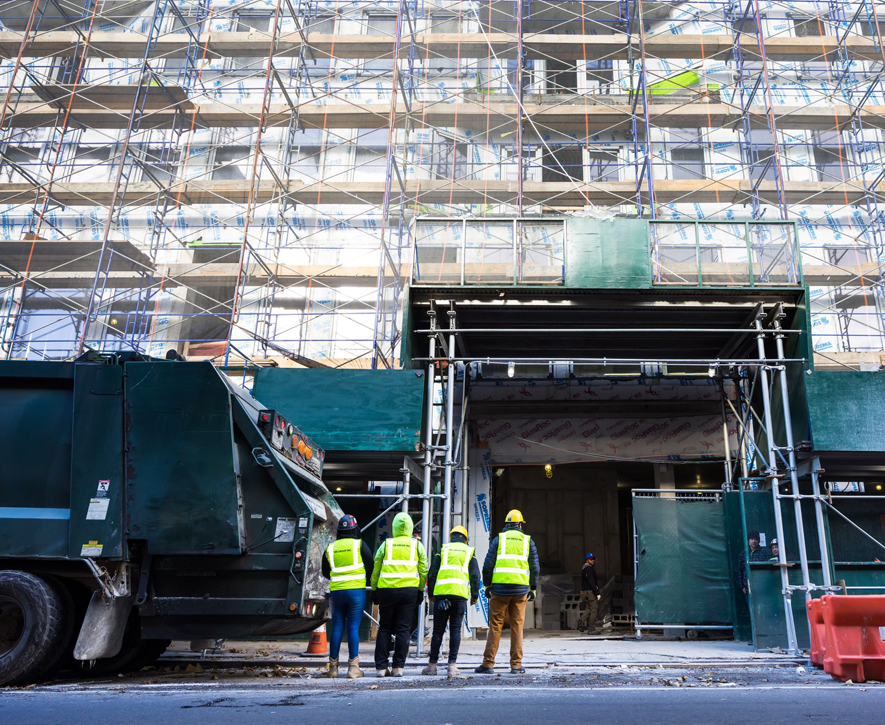
In the ever-evolving landscape of commercial construction, sustainability has emerged as a pivotal concern. As environmental regulations tighten and societal awareness heightens, the construction industry is increasingly focusing on sustainable practices, particularly in the area of waste removal. Effective waste management not only reduces the environmental footprint but also enhances the efficiency and cost-effectiveness of construction projects. This article delves into sustainable strategies for commercial construction waste removal, offering insights into best practices and innovative solutions.
Understanding Construction Waste
Construction waste comprises various materials, including concrete, wood, metals, and plastics, discarded during building and demolition activities. The sheer volume of waste generated by commercial construction projects necessitates an efficient and sustainable approach to waste management. Understanding the composition and characteristics of construction waste is the first step toward implementing effective waste removal strategies.
Sustainable Waste Management Practices
Reduce, Reuse, Recycle
The cornerstone of sustainable waste management lies in the principles of reducing, reusing, and recycling. These practices not only conserve natural resources but also minimize the volume of waste destined for landfills:
- Reduce: Optimize material usage by incorporating advanced design software and precise measurement techniques.
- Reuse: Identify materials that can be repurposed within the project or for future projects.
- Recycle: Separate recyclable materials such as metals, glass, and certain plastics from other waste.
Learn about our tailored solutions to implement these practices effectively in commercial projects. Discover expert strategies here.
Innovative Technologies in Waste Removal
Technological advancements have paved the way for more efficient and sustainable waste removal methods. Some of the latest innovations include:
- Smart Waste Management Systems: Utilize sensors and IoT technology to monitor waste levels and optimize collection schedules.
- Automated Sorting: Implement machinery that can automatically sort and segregate waste materials on-site.
- Advanced Recycling Techniques: Employ cutting-edge recycling processes that enhance material recovery rates.
Explore advanced guides and tips on how technology can revolutionize commercial construction waste management. Find out more about this approach.
Benefits of Sustainable Waste Removal
Adopting sustainable waste removal practices in commercial construction offers multiple benefits:
- Environmental Impact: Reduces the carbon footprint and conserves natural resources.
- Cost Efficiency: Lowers disposal costs and maximizes material utilization.
- Compliance: Ensures adherence to environmental regulations and standards.
- Reputation: Enhances the project”?s appeal to environmentally conscious stakeholders.
Find out more about this approach to reap these benefits and align construction projects with sustainability goals. Learn about our tailored solutions.
Implementing Sustainable Waste Management
To effectively incorporate sustainable waste management practices, consider the following steps:
- Conduct Waste Audits: Analyze waste streams to identify reduction opportunities.
- Develop a Waste Management Plan: Create a comprehensive plan that outlines waste handling, reduction, and disposal strategies.
- Engage Stakeholders: Involve all project participants, including contractors, architects, and clients, in waste management discussions.
- Training and Education: Provide training to the workforce on sustainable waste practices and the importance of environmental protection.
Explore advanced guides and tips to effectively implement these strategies in commercial construction projects. Explore advanced guides and tips.
In conclusion, sustainable commercial construction waste removal is a crucial component of modern construction practices. By embracing innovative technologies, adhering to the principles of reduce, reuse, and recycle, and understanding the benefits and methodologies of waste management, construction projects can significantly reduce their environmental impact while improving efficiency and compliance. For further insights and tailored solutions, discover expert strategies here.