
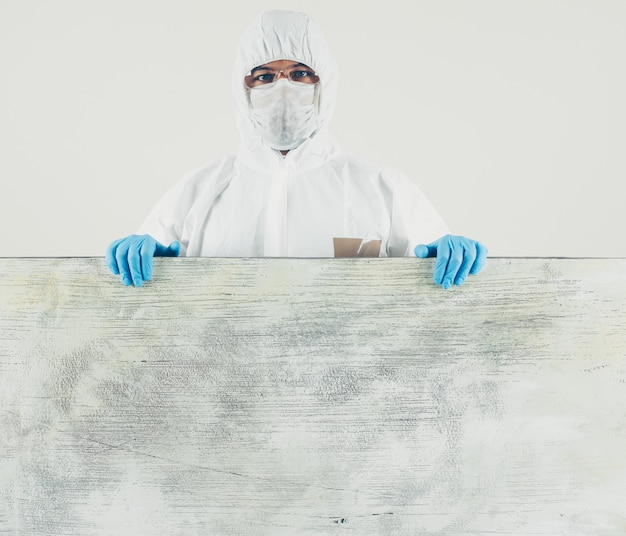
Mold is a common household nuisance that can pose serious health risks if not addressed properly. The presence of mold in homes is often a result of moisture problems, which provide the perfect environment for mold spores to thrive. While it might seem like a minor issue, mold can lead to respiratory issues, allergic reactions, and even structural damage to buildings. Therefore, understanding how to safely and effectively remove mold is essential for maintaining a healthy living environment. This article provides essential tips for safe mold removal and remediation, ensuring that the process is both effective and secure.
Understanding Mold Growth
Before diving into removal strategies, it’s important to understand what causes mold to grow:
- Moisture: Mold thrives in damp environments. Leaks, condensation, and flooding can contribute to mold growth.
- Temperature: Warm, humid conditions are ideal for mold proliferation.
- Organic Materials: Mold feeds on materials like wood, paper, and fabrics, which are commonly found in homes.
To effectively combat mold, it’s crucial to address these underlying causes. Discover expert strategies here to manage mold-prone environments.
Essential Mold Removal Tips
1. Identifying the Problem
The first step in mold remediation is identifying the affected areas. Signs of mold include:
- Visible mold growth, which can appear as black, green, or white patches.
- Musty odors, which often indicate hidden mold.
- Discoloration or water stains on walls and ceilings.
Using professional inspection services can provide a comprehensive assessment of the problem. Find out more about this approach.
2. Ensuring Safety During Removal
Safety is paramount when dealing with mold. Consider the following precautions:
- Wear protective gear, including gloves, masks, and goggles.
- Ensure adequate ventilation in the area to prevent inhalation of spores.
- Seal off the affected area to prevent mold spores from spreading.
For detailed safety protocols, explore advanced guides and tips.
3. Cleaning and Disinfection
Once safety measures are in place, proceed with cleaning and disinfecting:
- Use a mixture of water and detergent to scrub mold off surfaces. Avoid using bleach on porous materials.
- Dispose of contaminated materials like carpets and drywall if they cannot be effectively cleaned.
- Utilize a HEPA vacuum to remove residual spores from surfaces and the air.
For more comprehensive cleaning techniques, learn about our tailored solutions.
Preventing Future Mold Growth
Prevention is key to avoiding future mold issues. Consider these strategies:
- Control humidity levels within the home, keeping them below 60%.
- Repair leaks and address water damage promptly.
- Ensure proper ventilation in areas prone to moisture, such as bathrooms and kitchens.
Implementing these preventive measures can significantly reduce the risk of mold reoccurrence. Explore advanced guides and tips to enhance your mold prevention strategies.
Conclusion
Mold remediation requires a careful and informed approach. By understanding the factors that contribute to mold growth and following safe removal practices, individuals can protect their homes and health from the adverse effects of mold. Professional resources and strategies can further enhance efforts to maintain a mold-free environment. For those seeking comprehensive assistance, discover expert strategies here.