
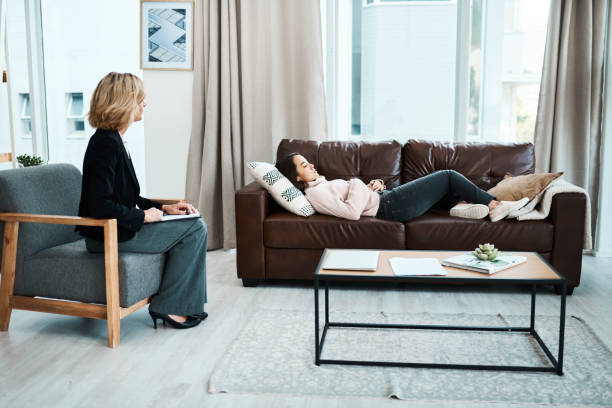
Anxiety is a common experience that affects millions worldwide, often disrupting daily life and impairing well-being. With various treatment options available, finding the right approach can be a personal journey. One effective yet often overlooked method is hypnotherapy for anxiety. This therapeutic technique utilizes the power of suggestion and altered states of consciousness to address the root causes of anxiety. This article will explore the principles behind hypnotherapy, its benefits, and specific techniques used to manage anxiety.
Understanding Hypnotherapy
Hypnotherapy is a form of guided relaxation and focused attention used to achieve a heightened state of awareness, often called a trance. This state allows individuals to explore thoughts, feelings, and memories they might have hidden from their conscious minds. Hypnotherapy is not about control or manipulation; rather, it is about empowering individuals to take control of their mental state.
Principles of Hypnotherapy
- Focus and Relaxation: Hypnotherapy involves deep relaxation, which increases focus and receptivity to suggestions.
- Subconscious Exploration: It enables access to the subconscious mind, where many anxieties originate.
- Suggestion: Positive suggestions are given to help alter negative thought patterns.
Benefits of Hypnotherapy for Anxiety
Hypnotherapy offers several benefits for those dealing with anxiety:
- Non-Invasive: As a natural therapy, it avoids the use of medication and its potential side effects.
- Addresses Root Causes: By delving into the subconscious, it helps identify and address the underlying causes of anxiety.
- Empowerment: Individuals learn self-hypnosis techniques, fostering a sense of control over their anxiety.
- Complementary: It can be used alongside other treatments, enhancing their effectiveness.
Techniques in Hypnotherapy for Anxiety Management
Several hypnotherapy techniques can be employed to manage anxiety effectively:
Progressive Relaxation
This technique involves relaxing each muscle group in the body, one at a time. It helps reduce physical tension, which is often linked to anxiety. By focusing on bodily sensations, individuals can divert attention from anxiety-inducing thoughts.
Visualization
Visualization involves imagining a peaceful scene or situation. This technique helps create a mental escape from anxiety-inducing environments, promoting a sense of calm and serenity. It is particularly useful for those who find it challenging to achieve relaxation through other means.
Anchoring
Anchoring is a technique where individuals associate a physical action, such as touching two fingers together, with a feeling of calmness. This association can be triggered whenever anxiety arises, providing immediate relief and grounding.
Reframing
This technique involves altering the perception of anxiety-inducing situations. By reframing negative thoughts, individuals can view challenges as opportunities for growth rather than threats, reducing anxiety’s impact.
Integrating Hypnotherapy into Daily Life
For those interested in exploring hypnotherapy, it is essential to consult with a qualified hypnotherapist. These professionals can tailor sessions to individual needs and teach self-hypnosis techniques for ongoing anxiety management. Integrating hypnotherapy into daily routines can lead to significant improvements in mental health and overall well-being.
Hypnotherapy is a powerful tool for managing anxiety, offering a unique approach that addresses the subconscious mind. Its techniques, such as progressive relaxation and visualization, empower individuals to take control of their mental state. By integrating hypnotherapy into daily life, individuals can experience profound and lasting changes in their mental health.