
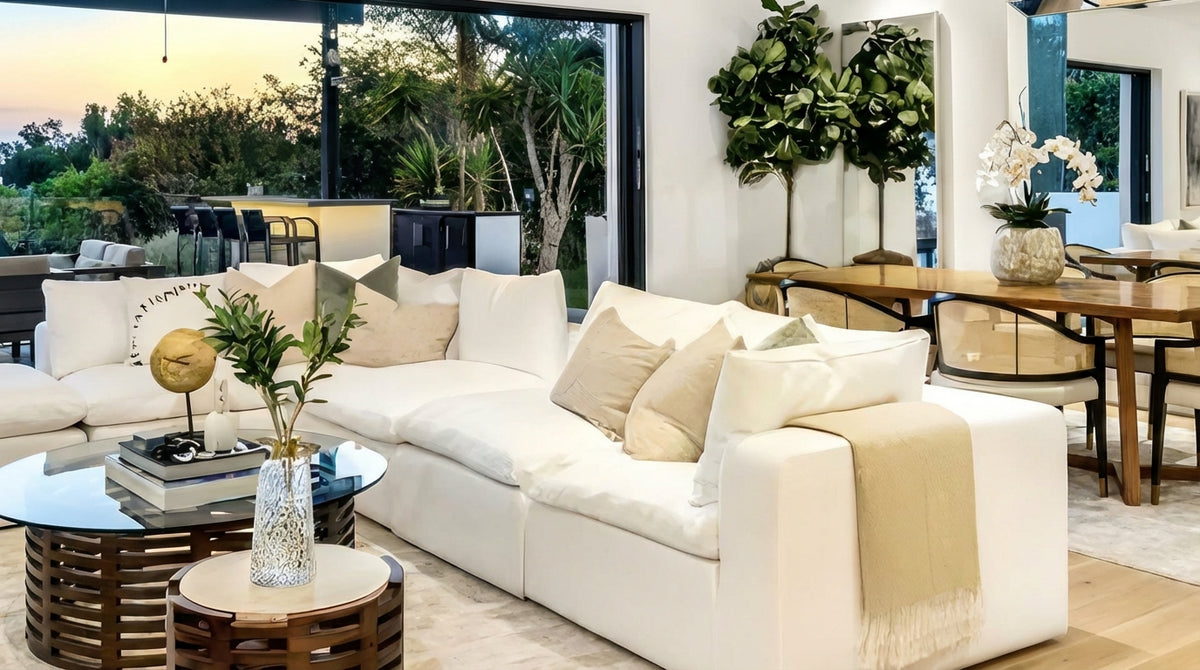
Collaborating with a modular sofa designer can be an enriching experience, allowing for creativity and customization in creating a piece of furniture that fits perfectly into your living space. Modular sofas offer flexibility and can be tailored to meet specific aesthetic and functional needs. Working closely with a designer ensures that every detail is considered, from the materials used to the configuration of the pieces. This article explores the steps and considerations involved in collaborating with a modular sofa designer, offering insights into the process and the benefits of a personalized design approach.
Understanding the Role of a Modular Sofa Designer
A modular sofa designer is an expert in creating sectional seating solutions that can be adapted to fit various room layouts and personal preferences. Their role involves:
- Assessing your space to recommend suitable configurations.
- Selecting materials and finishes that align with your style and use requirements.
- Ensuring that the design fits within your budget while maintaining quality.
To understand more about how modular sofas are designed, explore further insights here.
Steps to Collaborate Effectively
Define Your Needs and Preferences
Before meeting with a designer, it’s essential to have a clear understanding of your requirements and preferences:
- Determine the purpose of the sofa “? is it for lounging, entertaining, or a combination of both?
- Consider the size and shape of your living area to identify potential configurations.
- Think about color schemes, textures, and materials that complement your existing decor.
By doing this preparatory work, you can provide the designer with a concise brief, allowing them to tailor their proposals to your specific needs. Learn more in this detailed guide about preparing for a design collaboration.
Engage in Open Communication
Clear communication with your designer is crucial for a successful outcome. Consider these tips:
- Be honest about your budget and any constraints you might have.
- Share inspiration images and ideas that capture your vision.
- Regularly provide feedback throughout the design process to ensure alignment with your expectations.
Establishing a collaborative rapport fosters a positive working relationship, which is integral to achieving the desired result.
Exploring Design Possibilities
Customization Options
One of the most significant advantages of working with a modular sofa designer is the ability to customize. Options may include:
- Choosing from a variety of fabrics and leathers.
- Selecting modular components that can be rearranged or expanded over time.
- Incorporating unique features like reclining sections or storage compartments.
Customization allows for a unique piece that reflects your personality and lifestyle. Find additional information here about customization possibilities.
Testing and Adjusting Prototypes
Once a preliminary design is developed, prototypes may be created to test comfort, functionality, and aesthetics. Engaging in this phase allows you to:
- Evaluate the design’s practical aspects, such as ease of assembly and adaptability.
- Make adjustments to the design based on hands-on feedback.
- Finalizing the design to ensure it meets both aesthetic and practical requirements.
Prototyping is a critical step that ensures the end product aligns with your expectations and needs. Read more about this topic for insights into the prototyping process.
Finalizing and Receiving Your Modular Sofa
After the design and prototype phases, the final step is production and delivery. Your designer will oversee the manufacturing process to ensure quality standards are met. Upon delivery, they may also assist in assembling and arranging the sofa as per the agreed design.
Collaborating with a modular sofa designer is a rewarding journey that combines creativity, innovation, and personal expression. By understanding the steps involved and maintaining open communication, you can create a bespoke piece that truly enhances your living space.