
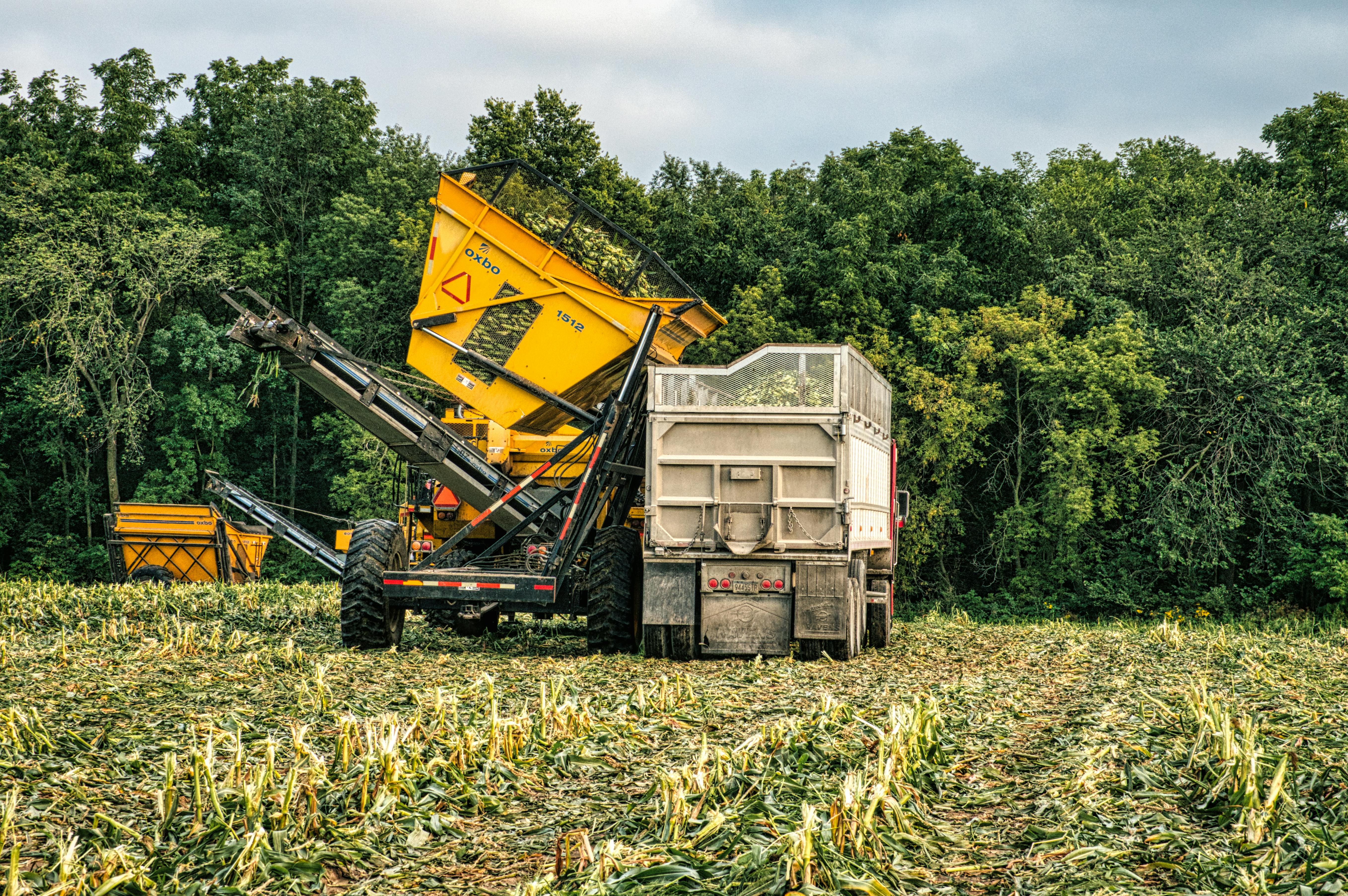
In today’s fast-paced business environment, acquiring the right equipment is vital for maintaining competitive advantage and ensuring operational efficiency. However, purchasing brand-new machinery can be a significant financial burden. Consequently, many businesses are turning to used equipment as a cost-effective alternative to meet their diverse needs. Exploring the wide selection of pre-owned options available in the market can lead to substantial savings without compromising on quality or performance. Understanding the benefits and considerations involved in acquiring used equipment is crucial for making informed decisions that align with business objectives.
Benefits of Choosing Used Equipment
Investing in used equipment can offer numerous advantages, particularly for businesses looking to optimize their budgets and enhance their operational capabilities. Here are some key benefits:
- Cost Savings: Purchasing used equipment can significantly reduce capital expenditure, allowing businesses to allocate funds to other critical areas.
- Immediate Availability: Unlike new equipment that may require extended lead times, used machinery is often available for immediate deployment.
- Proven Performance: With a history of use, businesses can assess the equipment’s reliability and performance based on real-world data.
- Environmentally Friendly: Reusing equipment supports sustainability by reducing waste and minimizing the environmental impact of manufacturing new products.
For those interested in leveraging these benefits, discover expert strategies here to make the most of used equipment purchases.
Factors to Consider When Purchasing Used Equipment
While the cost savings associated with used equipment are appealing, it is essential to conduct thorough evaluations prior to purchase. Consider these factors to ensure a wise investment:
Condition and Maintenance History
Assess the equipment’s current condition and review its maintenance records. This information provides insights into any past issues and the level of care the equipment has received. A well-maintained piece is likely to be more reliable and have a longer lifespan.
For detailed guidance on evaluating equipment condition, explore advanced guides and tips that can aid in making informed decisions.
Compatibility and Technological Relevance
Ensure that the used equipment aligns with current technological standards and integrates seamlessly with existing systems. Compatibility is key to avoiding operational disruptions and maximizing the equipment’s utility.
To learn more about assessing technological compatibility, learn about our tailored solutions that address specific business needs.
Vendor Reputation and Warranty Options
Purchasing from reputable vendors can mitigate risks associated with used equipment. Investigate the vendor’s credibility and inquire about any available warranties or support services. A good vendor will offer clear terms and conditions, ensuring peace of mind post-purchase.
For insights into selecting reliable vendors and understanding warranty options, find out more about this approach to secure quality equipment.
Industries That Benefit from Used Equipment
Various industries can benefit from exploring used equipment options, including:
- Construction: Used machinery like excavators and loaders can be a cost-effective choice for construction companies.
- Manufacturing: Pre-owned production equipment can help manufacturers expand capacity without substantial capital investment.
- Agriculture: Farmers can access affordable tractors and harvesters to improve productivity.
- Transportation and Logistics: Purchasing used vehicles or forklifts can streamline operations and reduce expenses.
For businesses in these sectors, exploring available options can be a strategic move toward sustainable growth. Explore advanced guides and tips to identify the best choices for industry-specific needs.
Conclusion
The selection of used equipment provides businesses with a viable alternative to new purchases, offering both economic and operational advantages. By carefully evaluating factors such as condition, compatibility, and vendor reputation, companies can make informed decisions that align with their strategic goals. Whether it is for construction, manufacturing, agriculture, or logistics, the right used equipment can enhance performance and foster growth. To embark on this cost-effective journey, discover expert strategies here.