
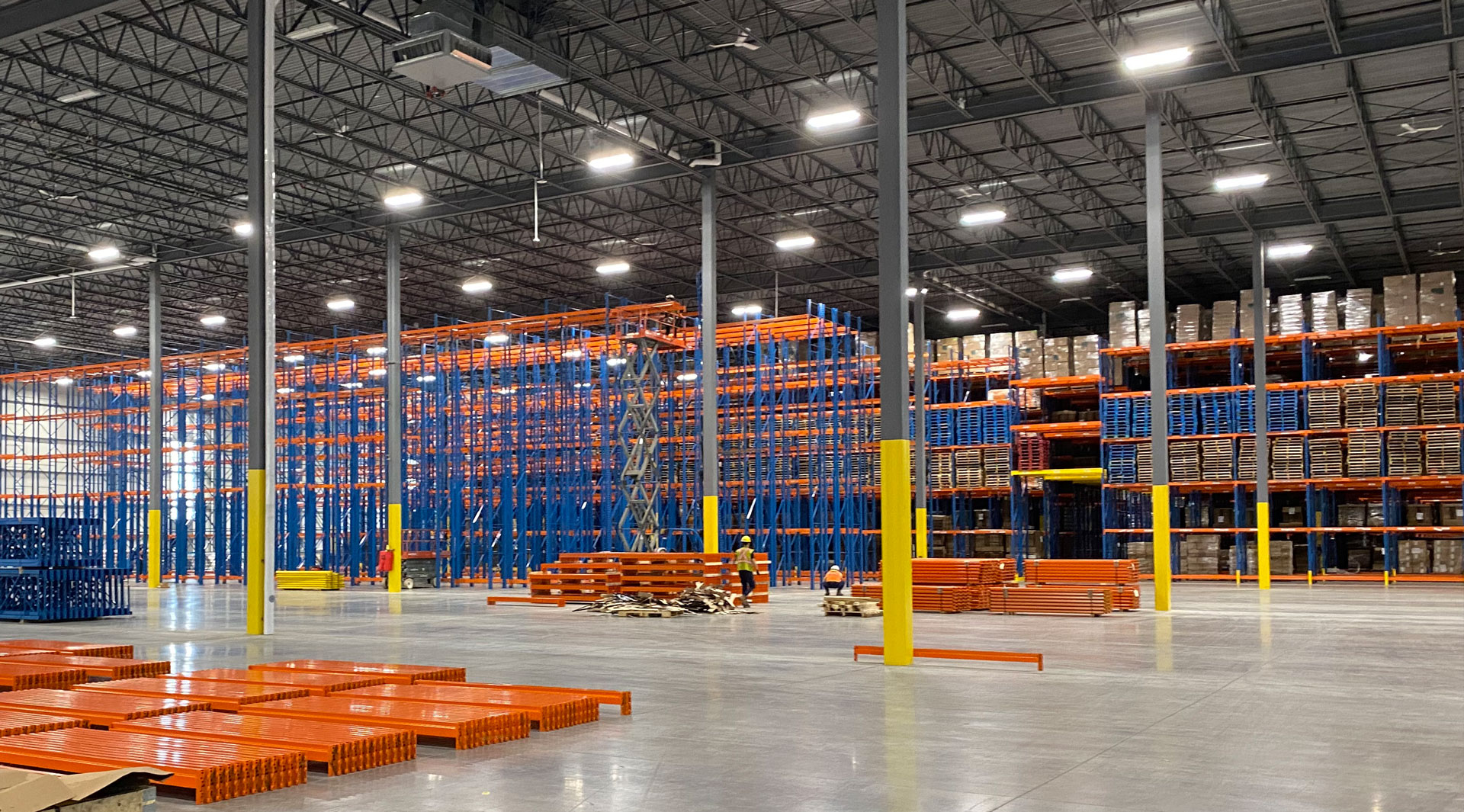
Warehouse pallet racking solutions are a cornerstone of effective logistics and supply chain management. Selecting the right system can optimize storage space, improve inventory management, and enhance operational efficiency. With an array of racking solutions available, understanding their intricacies is essential for businesses aiming to maximize productivity and profitability. This guide outlines the key aspects of warehouse pallet racking, providing insights into choosing the right system for specific needs.
Understanding Warehouse Pallet Racking Solutions
Pallet racking systems are structures designed to store materials in horizontal rows with multiple levels. These systems are pivotal in warehouses to ensure efficient space utilization and easy access to stored goods. The selection of a pallet racking system should consider factors such as the type of goods stored, the warehouse layout, and operational demands.
Types of Pallet Racking Systems
- Selective Racking: The most common type, allowing access to each pallet directly. It is ideal for warehouses with diverse SKUs.
- Drive-In/Drive-Through Racking: Optimizes storage space by reducing aisles, suitable for high-density storage of homogeneous products.
- Push Back Racking: Utilizes a last-in, first-out (LIFO) approach, where pallets are stored on inclined rails and pushed back for subsequent retrieval.
- Pallet Flow Racking: Employs a first-in, first-out (FIFO) system, using gravity rollers to move pallets from the loading to the unloading side.
- Cantilever Racking: Designed for storing long and bulky items such as timber and piping.
To further explore advanced guides and tips on pallet racking systems, find out more about this approach.
Factors to Consider When Choosing a Pallet Racking System
Selecting the right pallet racking system involves a thorough assessment of various factors to meet specific operational requirements effectively.
Inventory Characteristics
- Product Type: Consider the size, weight, and nature of the stored products.
- Inventory Turnover: High-turnover products may require systems like pallet flow racking for efficiency.
Warehouse Layout and Space Utilization
- Ceiling Height: Maximize vertical space with taller racking systems.
- Aisle Space: Narrow aisles may necessitate selective or push back racking systems.
To discover expert strategies for optimizing warehouse layouts, learn about our tailored solutions.
Benefits of Effective Pallet Racking Solutions
Implementing the right racking solution can yield significant benefits, enhancing various aspects of warehouse operations.
- Space Optimization: Efficient racking systems maximize the use of available space, reducing the need for warehouse expansion.
- Improved Accessibility: Properly designed racking systems enhance the ease of accessing and managing inventory.
- Enhanced Safety: Robust racking solutions ensure the safety of both staff and goods, minimizing the risk of accidents and damages.
- Cost Efficiency: By optimizing storage and improving workflow, effective racking systems contribute to overall cost reduction.
To explore advanced guides and tips on enhancing warehouse operations, explore advanced guides and tips.
Conclusion
Selecting the right pallet racking solution is crucial for optimizing warehouse operations and achieving efficiency. By understanding the different types of racking systems and considering essential factors such as inventory characteristics and warehouse layout, businesses can make informed decisions that align with their operational goals. For those seeking further insights and customized solutions, discover expert strategies here.