
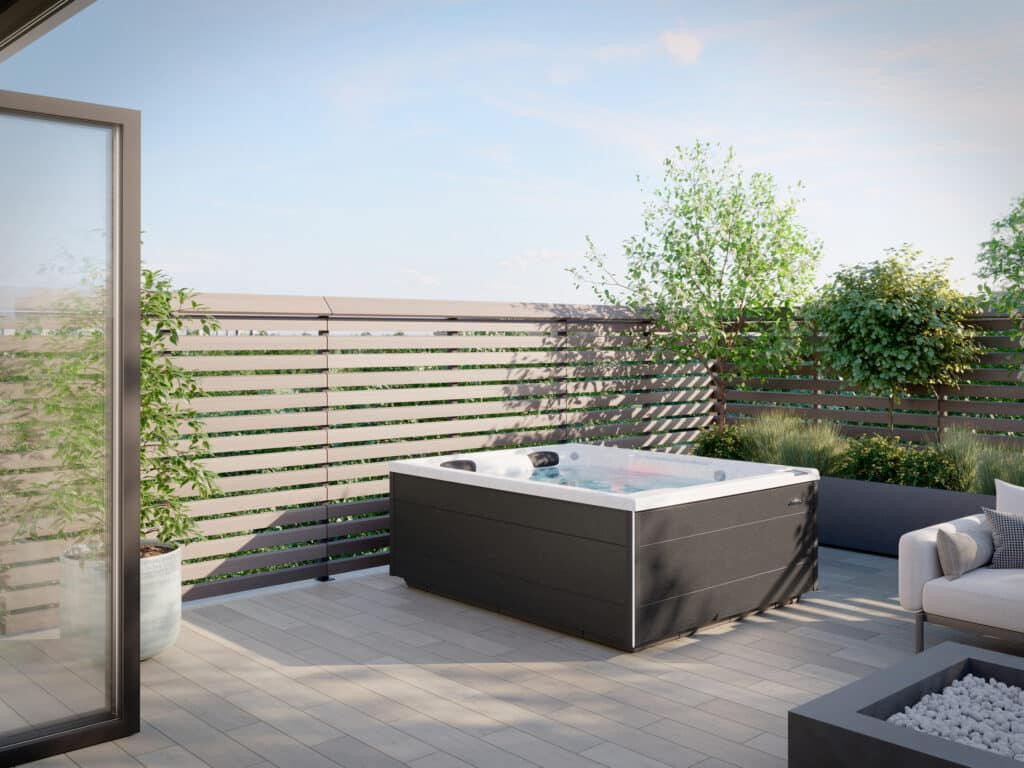
Portland homeowners are increasingly turning their backyards into personal retreats, and the hot-tub market has never been more vibrant. With the region’s temperamental weather and a growing desire for year-round relaxation, selecting the right spa solution requires a blend of design insight, technical knowledge, and practical budgeting. This article outlines the most effective strategies for creating a backyard oasis, drawing on the expertise of local hot-tub specialists and the resources available at Spas of Oregon. Readers will discover how to evaluate space, choose the ideal model, and integrate accessories that elevate comfort while preserving curb appeal.
Assessing Space and Layout
Before any purchase is made, a thorough site analysis is essential. The following checklist helps ensure the chosen spa fits seamlessly into the existing landscape:
- Clearance requirements: Most manufacturers recommend at least 3″?feet of free space on all sides for maintenance and safe entry.
- Ground stability: Verify that the installation area can support the spa’s weight when filled, typically 300-500″?lb per cubic foot of water.
- Sun exposure: Positioning a spa in partial shade reduces heating costs while still providing enough sunlight for a pleasant soak.
- Utility access: Proximity to electrical panels and water lines simplifies installation and minimizes code-related complications.
For a visual guide on optimal placement, Explore advanced guides and tips that include site-planning diagrams tailored to Portland’s typical lot sizes.
Choosing the Right Hot Tub Model
Portland’s climate demands a model that balances durability with energy efficiency. Below are three categories that consistently rank high among local experts:
1. Energy-Efficient Acrylic Shells
- Lightweight yet robust, acrylic shells retain heat better than fiberglass.
- Integrated insulation reduces operating costs, an important factor for year-round use.
- Customizable finishes allow the spa to complement modern or traditional backyard aesthetics.
2. All-Weather Stainless-Steel Units
- Designed for harsh weather, stainless-steel frames resist corrosion from rain and humidity.
- Often equipped with built-in heaters capable of maintaining temperature in colder months.
- Ideal for homeowners who prefer a minimalist, industrial look.
3. Hybrid Portable Spas
- Easy to relocate, making them perfect for renters or those who anticipate future landscaping changes.
- Typically feature quick-connect plumbing and plug-and-play electrical setups.
- While slightly less insulated, many models now include high-efficiency covers to offset heat loss.
When comparing specifications, Find out more about this approach to energy ratings and warranty terms, ensuring long-term satisfaction.
Integrating Design Elements
A spa should feel like a natural extension of the backyard rather than an afterthought. Consider these design enhancements to create a cohesive environment:
- Decking materials: Choose composite decking for low maintenance or natural cedar for a warm, organic feel.
- Lighting: LED step lights and underwater color-changing LEDs add ambiance while improving safety after dark.
- Landscaping: Incorporate low-maintenance plants such as ornamental grasses or dwarf conifers to frame the spa.
- Privacy screens: Bamboo or lattice panels can provide seclusion without obstructing views.
For inspiration on blending these elements, Discover expert strategies here and view case studies of successful installations throughout the Portland metro area.
Maintenance and Longevity
Proper upkeep extends a hot tub’s lifespan and preserves water quality. Key maintenance practices include:
- Testing water chemistry weekly, pH 7.2-7.6 and alkalinity 80-120″?ppm are ideal.
- Replacing filter cartridges every 3-6″?months depending on usage.
- Cleaning the cover regularly to prevent mold and retain heat efficiency.
- Scheduling annual professional inspections to verify pump, heater, and electrical system integrity.
Local specialists recommend a preventive service plan that aligns with Portland’s seasonal fluctuations. Learn about our tailored solutions for routine cleaning and component checks, ensuring the spa remains a reliable retreat year after year.
Budgeting and Financing Options
Investing in a backyard spa involves more than the initial purchase price. A realistic budget should account for:
- Base model cost (typically $5,000-$12,000 for mid-range units).
- Installation fees, site preparation, electrical work, and permits can add $1,000-$3,000.
- Optional upgrades such as premium jet systems, custom lighting, or high-end sound systems.
- Ongoing operational costs, including electricity, water, and chemicals.
Many retailers partner with local banks to offer flexible financing. Reviewing these programs on the Spas of Oregon website can help homeowners spread expenses without compromising on quality.
Conclusion
Creating a backyard spa in Portland is a rewarding project that blends comfort, design, and engineering. By carefully assessing space, selecting an energy-efficient model, integrating thoughtful design elements, and committing to regular maintenance, homeowners can enjoy a private oasis that enhances property value and personal well-being. For deeper insights, detailed product comparisons, and professional installation guidance, visit the resources linked throughout this article and explore the comprehensive offerings at Spas of Oregon.