
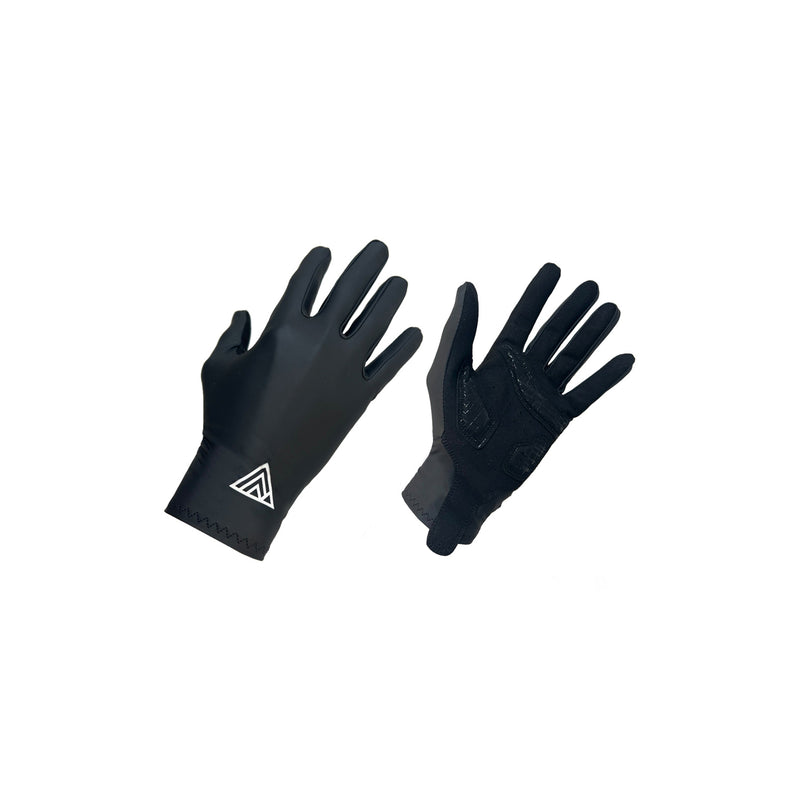
When cyclists talk about shaving seconds off a lap, the conversation often turns to equipment that blends aerodynamics with ergonomics. Among the accessories that can make a measurable difference, aero cycling gloves stand out for their ability to reduce drag while providing the comfort needed for long rides. By optimizing hand positioning, minimizing wind resistance, and delivering targeted cushioning, these gloves help riders maintain speed without sacrificing control. The result is a smoother, faster ride that feels as natural as pedaling itself.
Why Aerodynamics Matter for Your Hands
Even though the hands represent a small surface area, they can create noticeable turbulence at high speeds. An aero glove addresses this issue in three key ways:
- Streamlined Silhouette: Tapered designs and low-profile stitching guide airflow around the wrist and palm.
- Reduced Friction: Specialized fabrics with a slick finish lower the coefficient of drag.
- Consistent Grip: Textured palm zones maintain traction without increasing wind resistance.
For cyclists seeking data-driven performance gains, integrating these gloves into a broader aerodynamic package can translate into measurable time savings on time trials and criteriums.
Core Features That Boost Speed and Comfort
Material Technology
Modern aero gloves combine lightweight synthetics with strategic reinforcements. Key materials include:
- High-tenacity nylon for durability.
- Elastane blends that conform to the hand’s shape.
- Micro-vented panels that manage sweat while preserving a sleek profile.
Ergonomic Padding
Strategic padding protects the knuckles and palm without adding bulk. The cushioning is often placed in a “V-shaped” layout, aligning with natural pressure points and allowing the wrist to stay relaxed during extended efforts.
Secure Fit Systems
Adjustable Velcro straps or silicone-lined closures keep the glove snug, preventing movement that could disrupt aerodynamics. A secure fit also reduces hand fatigue, which is crucial for maintaining power output over long distances.
Choosing the Right Aero Glove for Your Riding Style
Not all aero gloves are created equal, and selecting the appropriate pair depends on terrain, distance, and personal preference. Consider the following criteria when evaluating options:
- Road vs. Track: Track cyclists often prioritize the thinnest profile, while road riders may need a balance of aerodynamics and weather protection.
- Temperature Management: For colder climates, look for gloves with integrated thermal liners; for hot conditions, prioritize breathable fabrics.
- Hand Size: Proper sizing ensures the aerodynamic shape is maintained without causing constriction.
Detailed specifications for a range of models can be explored at Discover expert strategies here, where technical data sheets and user reviews provide deeper insight.
Integrating Aero Gloves into a Complete Performance Kit
To maximize the benefits of aero gloves, they should be paired with complementary equipment:
- Aero Helmets: Reduce overall drag and improve airflow over the upper body.
- Skin-Fit Jerseys: Minimize fabric turbulence that can affect hand positioning.
- Optimized Bike Frames: Carbon fiber or aero-shaped tubes further lower drag coefficients.
When these components work together, the cumulative effect can be significant. For a deeper dive into how each piece contributes, Learn about our tailored solutions offers a step-by-step guide.
Maintenance Tips for Longevity
Proper care ensures that the aerodynamic properties and comfort level of the gloves remain consistent:
- Hand-wash with mild detergent; avoid fabric softeners that can alter surface texture.
- Air-dry away from direct heat to preserve material elasticity.
- Inspect seams regularly for signs of wear, especially after high-intensity rides.
Following these practices helps maintain the low-drag profile that makes aero gloves valuable for performance-focused cyclists. Additional maintenance advice can be found in Explore advanced guides and tips.
Real-World Impact: Rider Testimonials
Feedback from competitive cyclists highlights measurable improvements:
- “Reduced hand fatigue on 100-km time trials, allowing a steadier power output.”
- “Noticeable decrease in wind noise, which helped maintain focus during sprint finishes.”
- “The glove’s fit stayed consistent even after a 200-km ride, preventing the need for mid-race adjustments.”
These experiences underscore how a well-designed aero glove can translate technical advantages into tangible race results. For more stories and performance data, Find out more about this approach provides a curated collection of rider case studies.
Conclusion
In the pursuit of speed, every fraction of a second counts, and the hands are a critical yet often overlooked element of aerodynamic efficiency. Aero cycling gloves deliver a blend of reduced drag, targeted cushioning, and secure fit that supports both sprint power and endurance comfort. By selecting the appropriate model, integrating it with a cohesive performance kit, and maintaining it properly, cyclists can unlock measurable gains on every ride. The evolving technology behind these gloves continues to push the boundaries of what’s possible, making them an essential component for anyone serious about optimizing their cycling performance.