
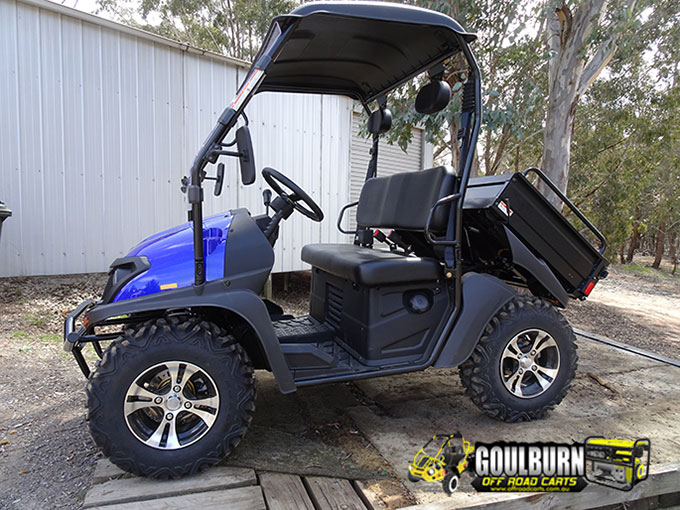
Off-road carts have become indispensable tools for both hobbyists and professionals who need reliable traction on uneven terrain. Whether navigating a farm field, a construction site, or a recreational trail, understanding the core features that differentiate a beginner-friendly model from a high-performance machine can dramatically improve safety, efficiency, and enjoyment. This guide outlines the essential specifications, design elements, and maintenance considerations that help users choose the right cart for their needs.
Key Components to Evaluate
Engine and Powertrain
- Displacement and horsepower: Smaller engines (50-100 cc) are suitable for light-duty tasks, while larger units (150-250 cc) provide the torque needed for steep inclines and heavy loads.
- Fuel type: Gasoline engines are common, but diesel or electric options are gaining traction for lower emissions and quieter operation.
- Transmission: Automatic CVT systems offer ease of use for beginners, whereas manual gearboxes give pros greater control over power delivery.
Frame and Suspension
- Material strength: High-grade steel or reinforced aluminum frames resist bending and fatigue under repeated stress.
- Suspension design: Independent leaf-spring or coil-over setups absorb shocks, improving rider comfort and cargo stability on rough ground.
- Ground clearance: A minimum of 200 mm ensures the cart can clear obstacles without damaging the undercarriage.
Wheel and Tire Selection
- Tire tread pattern: Aggressive knobbies provide superior grip in mud and loose soil, while semi-slicks perform better on packed gravel.
- Diameter and width: Larger diameters roll over obstacles more easily; wider tires distribute weight and reduce sinkage.
- Inflation system: Tubeless designs lower the risk of punctures and simplify maintenance.
Safety Features Every Cart Should Have
- Roll-over protection structures (ROPS) that meet industry safety standards.
- Seat belts or harnesses for the operator and passenger.
- Emergency shut-off switches within easy reach.
- Bright LED lighting and reflective markings for low-visibility conditions.
For a comprehensive overview of safety standards and recommended accessories, Read more about this topic.
Performance Enhancements for Advanced Users
Power Add-Ons
- Turbochargers or superchargers to increase airflow and boost horsepower.
- After-market exhaust systems that improve scavenging and reduce back-pressure.
Handling Improvements
- Adjustable steering geometry for tighter turning radii.
- Upgraded shock absorbers with adjustable damping rates.
Utility Modifications
- Interchangeable cargo beds, tipper kits, or snow plows for seasonal tasks.
- Mounting points for GPS, communication radios, or toolboxes.
Professional operators looking to fine-tune their equipment can Explore further insights here.
Maintenance Best Practices
- Perform a pre-run inspection of tires, brakes, and fluid levels.
- Follow the manufacturer’s service interval schedule for oil changes, filter replacements, and spark plug checks.
- Clean the undercarriage after each use to prevent buildup of mud, sand, or corrosive chemicals.
- Store the cart in a dry, sheltered location to protect against rust and UV degradation.
Choosing the Right Cart for Your Application
When selecting an off-road cart, match the machine’s specifications to the intended workload:
| Use Case | Recommended Engine Size | Key Features |
|---|---|---|
| Light farm chores | 50-100 cc | Simple controls, low weight, basic cargo bed |
| Construction site transport | 150-200 cc | Heavy-duty frame, ROPS, high-traction tires |
| Recreational trail riding | 100-150 cc | Comfort suspension, LED lighting, optional canopy |
| Professional utility work | 200-250 cc | Turbo boost, interchangeable attachments, advanced steering |
For a deeper dive into model comparisons and configuration options, Learn more in this detailed guide.
Conclusion
Off-road carts blend rugged engineering with versatile functionality, making them valuable assets across a spectrum of industries and hobbies. By focusing on core elements such as engine performance, chassis durability, safety equipment, and maintenance routines, both beginners and seasoned professionals can select a cart that meets their specific demands while ensuring long-term reliability. Continuous advancements in powertrain technology and modular accessories promise even greater adaptability, reinforcing the cart’s role as an essential tool for navigating challenging terrain.