
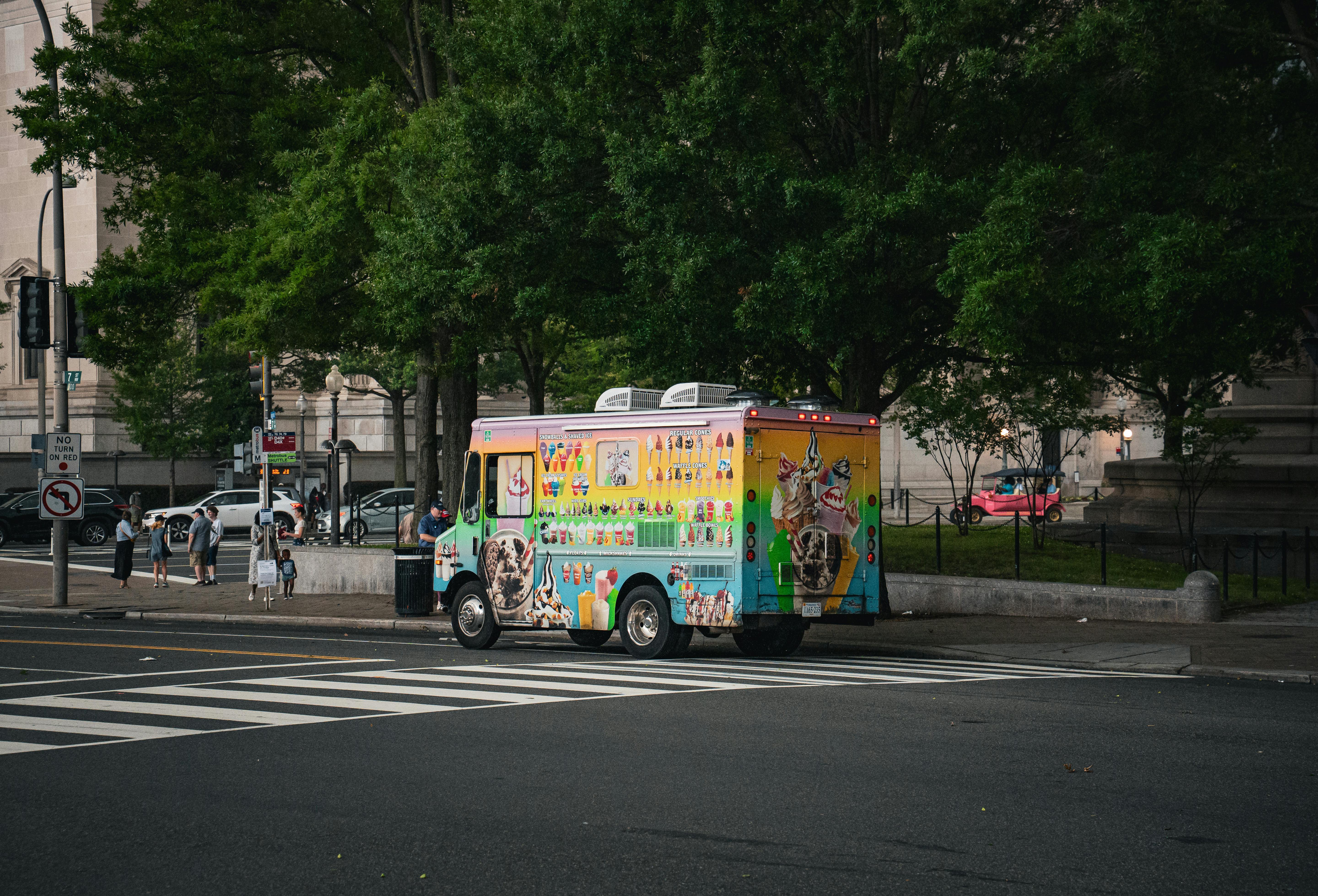
Reaching every corner of the country with a clear, consistent advertising message is no longer a logistical nightmare. Modern route-planning software, combined with data-driven audience insights, enables brands to map out nationwide campaigns that maximise exposure while minimising waste. By aligning vehicle routes, media assets, and timing, advertisers can ensure that each billboard, digital screen, or mobile ad appears exactly where the target audience is most likely to see it. This approach not only boosts return on investment but also creates a seamless brand experience across regions.
Why Route Planning Is Essential for Nationwide Campaigns
Strategic route planning transforms a scattered advertising effort into a cohesive, high-impact operation. The key benefits include:
- Optimised resource allocation: Vehicles and crews are dispatched along the most efficient paths, reducing fuel costs and overtime.
- Consistent brand exposure: Ads are placed in a logical sequence, reinforcing the message as consumers travel between locations.
- Data-driven decision making: Real-time traffic and audience analytics guide adjustments on the fly.
- Scalable execution: A single plan can be expanded or contracted to cover additional regions without starting from scratch.
Key Components of an Effective Route-Planning Strategy
1. Audience Mapping
Understanding where the target demographic lives, works, and commutes is the foundation of any successful campaign. Geographic information system (GIS) tools combine census data, mobile device footprints, and purchase behaviour to pinpoint high-value zones.
2. Media Asset Placement
Once high-value zones are identified, the next step is to match the right media format to each location. For example, high-traffic commuter corridors benefit from large-format billboards, while urban centres may favour digital screens that can rotate multiple messages.
3. Logistics Coordination
Efficient scheduling of installation crews, maintenance teams, and vehicle routes ensures that assets are deployed on time and remain operational throughout the campaign lifespan.
Implementing the Plan: Step-by-Step Process
- Data Collection: Gather demographic, traffic, and location data from reputable sources.
- Route Optimisation: Use specialised software to generate the most efficient travel paths for installation and servicing teams.
- Asset Allocation: Assign each media piece to the optimal spot based on visibility, audience relevance, and cost.
- Monitoring & Adjustment: Track performance metrics in real time and re-route resources as needed.
For a deeper dive into how these steps translate into measurable results, Discover expert strategies here.
Best Practices for Maintaining Consistency Across Regions
- Standardised Creative Guidelines: Use a unified style guide to ensure visual consistency.
- Centralised Reporting Dashboard: Consolidate data from all regions into a single platform for quick insight.
- Regular On-Site Audits: Conduct periodic checks to verify that placements meet quality standards.
- Feedback Loops: Incorporate local market feedback to refine messaging without losing brand cohesion.
To explore practical tools that support these practices, Learn about our tailored solutions.
Measuring Success: Metrics That Matter
Effective measurement goes beyond simple impression counts. Consider the following KPI categories:
- Reach & Frequency: How many unique viewers saw the ad and how often?
- Engagement Rate: Click-throughs, QR code scans, or social mentions generated by the placement.
- Conversion Attribution: Sales lift or lead generation linked to specific geographic zones.
- Operational Efficiency: Cost per mile driven versus revenue generated per location.
Guidelines for interpreting these metrics are outlined in a comprehensive resource that can be Explore advanced guides and tips.
Future Trends in Nationwide Advertising Route Planning
As technology evolves, several emerging trends promise to further refine the precision of national campaigns:
- AI-Powered Predictive Analytics: Machine learning models forecast traffic patterns and audience movement weeks in advance.
- Dynamic Digital Out-of-Home (DOOH): Real-time data feeds adjust ad content on the fly based on weather, events, or traffic conditions.
- Integrated Mobile-First Strategies: Syncing OOH with geo-fenced mobile ads creates a seamless cross-channel experience.
- Sustainable Logistics: Electric vehicles and route optimisation reduce carbon footprints while maintaining efficiency.
For more information on how these innovations can be incorporated into a current campaign, Find out more about this approach.
Conclusion
Nationwide advertising coverage no longer requires a patchwork of disconnected efforts. By leveraging sophisticated route-planning tools, data-rich audience insights, and a disciplined logistical framework, brands can deliver consistent, high-impact messages across the entire country. The result is a streamlined operation that maximises reach, controls costs, and builds a stronger, more recognizable brand presence wherever the audience travels.