
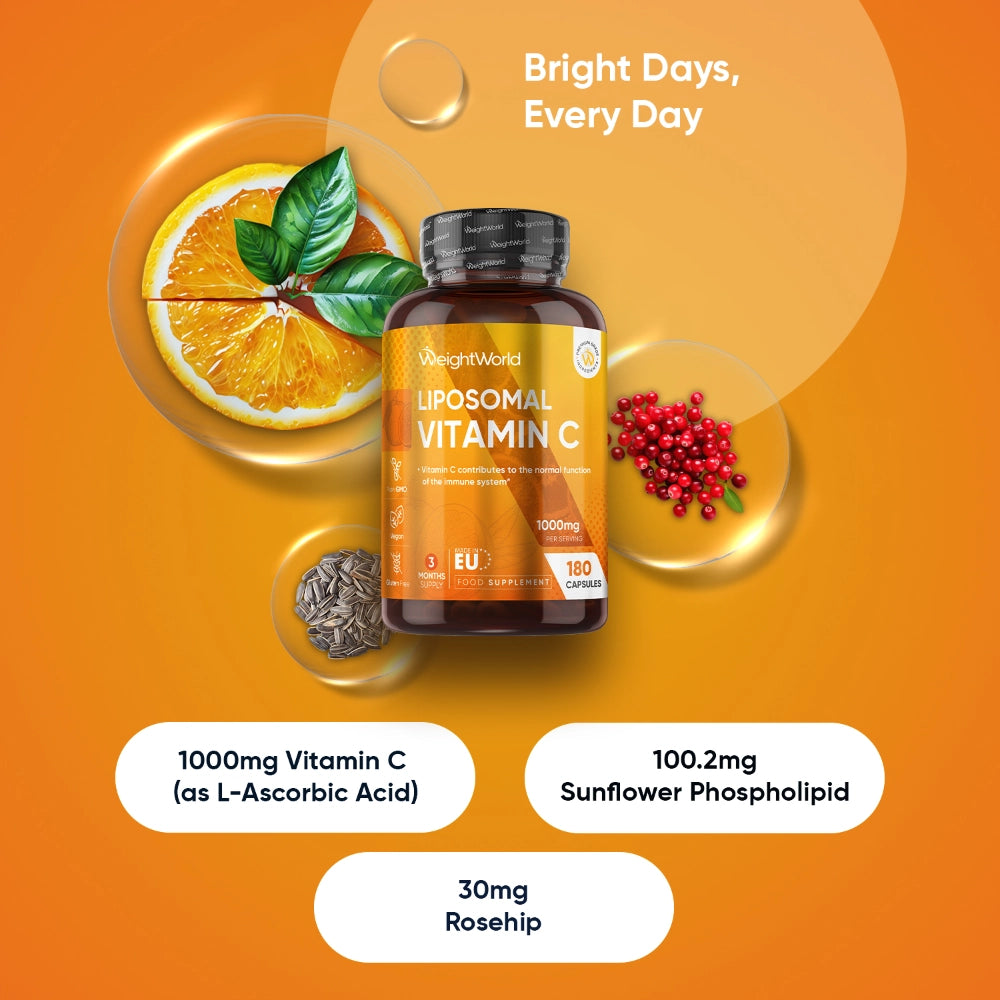
Vitamin”?C remains one of the most researched nutrients in modern nutrition, celebrated for its role in immune support, antioxidant protection, and collagen synthesis. While many foods provide this essential vitamin, a high-quality supplement can bridge dietary gaps, enhance bioavailability, and deliver consistent dosing. Understanding the science behind a premium vitamin”?C product helps consumers make informed choices that align with health goals and lifestyle demands.
Why Choose a High-Quality Vitamin”?C Supplement?
Not all vitamin”?C supplements are created equal. The effectiveness of a product depends on several key factors that influence absorption, stability, and overall health impact.
Enhanced Bioavailability
- Liposomal delivery: Encapsulating vitamin”?C in liposomes protects it from stomach acid, allowing more of the nutrient to reach the bloodstream.
- Buffered forms: Calcium ascorbate and magnesium ascorbate reduce acidity, making the supplement gentler on the digestive tract while maintaining efficacy.
- Optimal dosing: Split dosing (e.g., 500″?mg twice daily) maximizes absorption compared to a single large dose that the body may excrete.
Purity and Safety
- Manufacturing under GMP (Good Manufacturing Practice) standards ensures consistent potency and minimal contaminants.
- Third-party testing validates label claims and confirms the absence of heavy metals, allergens, and unwanted fillers.
- Non-synthetic, natural sources of ascorbic acid reduce the risk of adverse reactions for sensitive individuals.
Core Health Benefits of a Quality Vitamin”?C Supplement
Immune System Support
Vitamin”?C contributes to the production and function of white blood cells, enhances barrier integrity, and supports the activity of various immune cells. Regular supplementation can reduce the duration of common colds and improve overall resilience during seasonal challenges.
Powerful Antioxidant Protection
As a potent antioxidant, vitamin”?C neutralizes free radicals, protecting cellular membranes and DNA from oxidative stress. This protective effect is especially valuable for individuals exposed to environmental pollutants, intense physical training, or high-stress lifestyles.
Collagen Synthesis and Skin Health
Collagen, the primary structural protein in skin, tendons, and ligaments, requires vitamin”?C for proper formation. Adequate intake supports skin elasticity, wound healing, and joint health, making it a vital nutrient for both aesthetic and functional reasons.
Enhanced Iron Absorption
Vitamin”?C converts non-heme iron (found in plant foods) into a form that is more readily absorbed, helping to prevent iron-deficiency anemia, particularly in vegetarian and vegan diets.
Choosing the Right Product: Practical Considerations
- Formulation type: Liposomal, buffered, or standard ascorbic acid each have distinct advantages. Liposomal forms often provide the highest bioavailability.
- Dosage range: Daily needs vary; most adults benefit from 500″?mg-1000″?mg per day, while higher therapeutic doses may be recommended under professional guidance.
- Ingredient transparency: Look for clear labeling that lists all active and inactive components, along with the source of the vitamin.
- Certification: Verify third-party testing certificates or quality seals that confirm potency and purity.
For a deeper dive into product selection criteria, Discover expert strategies here.
Integrating Vitamin”?C Into a Balanced Lifestyle
Supplementation works best when paired with a holistic approach to health. Consider the following practices to maximize the benefits of vitamin”?C.
Dietary Synergy
- Combine vitamin”?C with bioflavonoids (found in citrus peels, berries, and green tea) to enhance absorption.
- Pair with iron-rich foods such as lentils, spinach, or fortified cereals to improve mineral uptake.
- Include a variety of colorful fruits and vegetables to provide complementary antioxidants like vitamin”?E and beta-carotene.
Timing and Consistency
Taking vitamin”?C with meals can reduce gastrointestinal discomfort and aid in the steady release of the nutrient. Consistency, daily intake rather than occasional high doses, maintains optimal tissue levels.
Lifestyle Factors
- Regular moderate exercise boosts antioxidant demand, making vitamin”?C especially valuable for active individuals.
- Stress management techniques (meditation, adequate sleep) reduce oxidative load, allowing vitamin”?C to focus on repair rather than crisis response.
- Avoid smoking and excessive alcohol, both of which deplete vitamin”?C stores.
For actionable tips on integrating supplements into daily routines, Learn about our tailored solutions.
Potential Considerations and Safety Guidelines
While vitamin”?C is water-soluble and excess is typically excreted, extremely high doses may cause mild side effects such as gastrointestinal upset or kidney stone formation in susceptible individuals. It is advisable to:
- Start with a moderate dose (e.g., 500″?mg) and assess tolerance.
- Consult a healthcare professional before exceeding 2000″?mg per day, especially if pre-existing kidney conditions exist.
- Monitor for interactions with medications such as anticoagulants, where vitamin”?C may influence blood clotting dynamics.
Conclusion: Leveraging Quality for Optimal Health
Investing in a premium vitamin”?C supplement offers more than a simple nutrient boost; it provides a reliable, bioavailable source of a vitamin essential for immune competence, antioxidant defense, collagen formation, and iron metabolism. By selecting a product that adheres to stringent quality standards and integrating it within a balanced diet and healthy lifestyle, individuals can unlock the full spectrum of benefits that vitamin”?C delivers.
For a curated selection of high-quality vitamin”?C options, Explore advanced guides and tips. Additional insights on formulation science and usage protocols are available to help readers Find out more about this approach.