
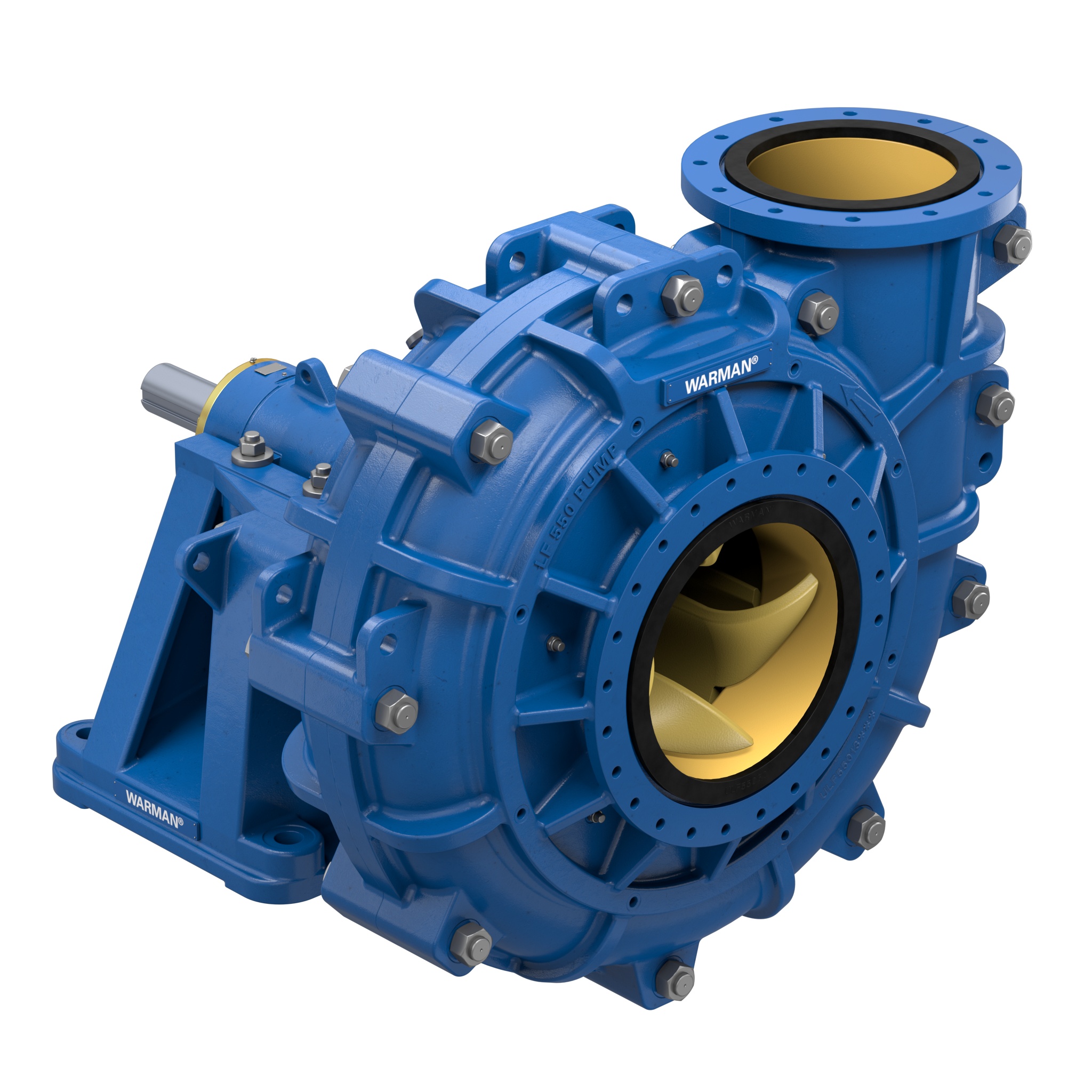
In industries where fluid management is critical, selecting the right heavy duty pump is paramount for operational efficiency and cost-effectiveness. Pumps are integral across sectors like mining, construction, and wastewater management, where they handle abrasive and high-density slurries. The right choice can significantly impact productivity and longevity. This guide provides insights into key factors to consider when choosing a heavy duty pump that aligns with your operational demands.
Understanding Your Requirements
The first step in selecting a heavy duty pump is to clearly define your requirements. Consider the following aspects:
- Type of fluid to be pumped: Is it abrasive, corrosive, or containing solids?
- Flow rate and pressure: Determine the volume and pressure requirements.
- Environmental conditions: Consider temperature extremes and potential chemical exposures.
Understanding these factors will guide you in choosing a pump with suitable materials and design.
Types of Heavy Duty Pumps
Centrifugal Pumps
Centrifugal pumps are widely used for their efficiency in handling large volumes of liquid. They convert rotational kinetic energy to hydrodynamic energy, making them ideal for applications requiring steady flow rates. Find out more about this approach to centrifugal pump applications and benefits.
Positive Displacement Pumps
These pumps are designed to move fluids at a consistent rate regardless of pressure. They are suitable for applications requiring precise flow control and handling of viscous fluids. Explore advanced guides and tips on selecting positive displacement pumps for your needs.
Material Considerations
The material composition of a pump is crucial in determining its durability and suitability for specific applications.
- Stainless Steel: Ideal for corrosive environments, providing rust and chemical resistance.
- Cast Iron: A cost-effective option for non-corrosive, standard applications.
- Alloy Materials: Suitable for high-wear environments, offering superior abrasion resistance.
Choosing the right material can drastically reduce maintenance costs and extend the lifespan of the pump. Learn about our tailored solutions for material selection in heavy duty pumps.
Efficiency and Performance
Efficiency is a key factor in pump selection, impacting both operational costs and environmental sustainability. Evaluate the pump”?s energy consumption relative to its output. High-efficiency pumps can lead to significant cost savings over time.
Additionally, consider the pump”?s performance curve to ensure it meets the required flow and pressure at peak efficiency. Discover expert strategies here for optimizing pump performance and efficiency.
Maintenance and Support
Regular maintenance is essential for ensuring the longevity and reliability of heavy duty pumps. When selecting a pump, consider the following:
- Availability of spare parts and ease of maintenance.
- Manufacturer support for troubleshooting and repairs.
- Quality of technical documentation and user guides.
Reliable support can minimize downtime and ensure continuous operation. Explore advanced guides and tips on maintenance best practices for heavy duty pumps.
Conclusion
Choosing the best heavy duty pump requires a comprehensive understanding of your operational needs and the specific characteristics of different pump types. By considering fluid properties, material selection, efficiency, and maintenance requirements, you can select a pump that provides optimal performance and longevity. For more detailed insights and expert guidance, learn about our tailored solutions tailored to different industry requirements.