As urban areas expand and natural habitats diminish, encounters between humans and wildlife are becoming increasingly common. While many animals can coexist peacefully with human developments, some species may pose risks to property and safety. Effective wildlife management strategies are essential for maintaining this delicate balance, ensuring both human safety and wildlife preservation.
Understanding Wildlife Conflicts
Wildlife conflicts often arise when animals invade human spaces in search of food, shelter, or breeding grounds. Common nuisances include raccoons, squirrels, birds, and bats, which can cause significant damage to buildings, gardens, and other structures.
Potential Risks
- Structural Damage: Animals like rodents and raccoons can chew through wires and insulation, leading to costly repairs.
- Health Hazards: Wildlife can carry diseases such as rabies and histoplasmosis that pose health risks to humans.
- Contamination: Animal droppings and nesting materials can contaminate food sources and water supplies.
Implementing Wildlife Management Solutions
Effective wildlife management involves a combination of techniques tailored to address specific animal behaviors and habitats. A comprehensive approach often includes prevention, exclusion, and humane removal practices.
Prevention Strategies
- Securing Entry Points: Inspect and seal gaps in attics, basements, and garages to prevent animals from gaining access.
- Proper Waste Management: Use animal-proof garbage bins and compost containers to eliminate food sources.
- Landscaping Choices: Trim tree branches near buildings and remove piles of debris to reduce shelter opportunities.
Exclusion Techniques
Exclusion involves creating physical barriers to prevent wildlife from entering structures. This may include installing fences, netting, or spikes to deter birds and other animals. For expert assistance, consulting a professional wildlife management service can ensure effective implementation of these techniques.
When to Consider Professional Help
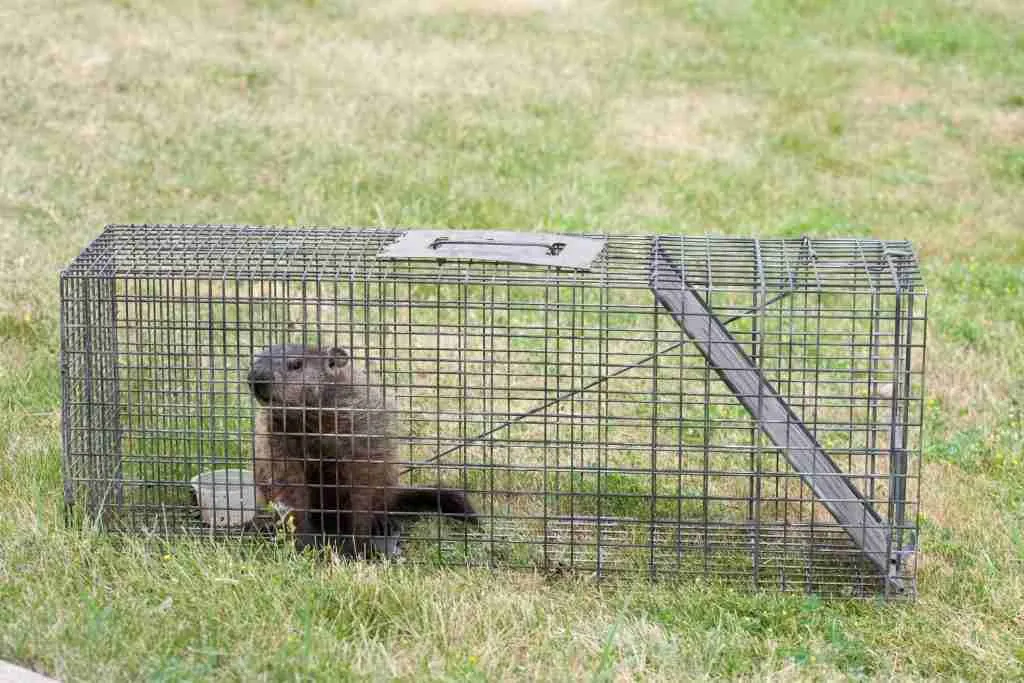
In some cases, professional intervention may be necessary, especially when dealing with more aggressive or protected species. A reputable wildlife removal company can provide humane and legal solutions to complex wildlife issues, ensuring both safety and compliance with local regulations.
Signs You Need Professional Support
- Persistent animal noises at night, indicating possible nesting or breeding.
- Visible damage or droppings that suggest a significant infestation.
- Concerns over protected species that require special handling.
Conclusion
Wildlife management is a critical component of maintaining a safe and harmonious environment where humans and animals coexist. By understanding potential risks and implementing effective strategies, property owners can reduce conflicts and protect their investments. When challenges exceed DIY capacities, professional wildlife management services offer the expertise and solutions needed to address these issues responsibly.