
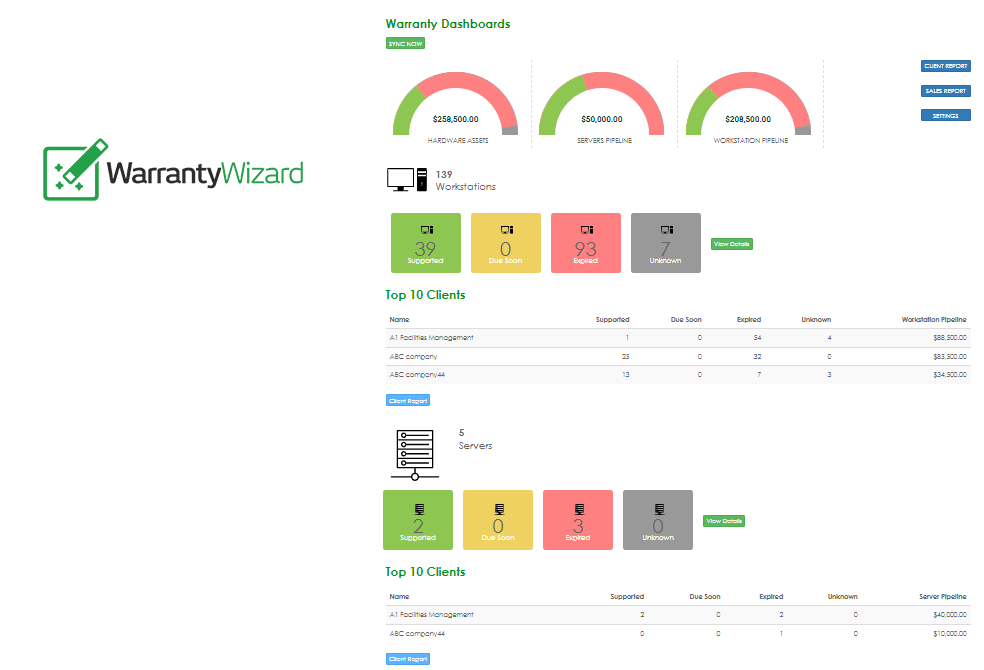
In today”?s rapidly evolving digital landscape, organizations are continually seeking innovative solutions to streamline operations and enhance productivity. One such solution gaining traction is IT Asset Lifecycle Management Software. This technology is pivotal in managing the entire lifecycle of IT assets, from acquisition to disposal. By leveraging this software, businesses can optimize asset utilization, reduce costs, and improve overall efficiency. Understanding the intricacies of IT asset management ensures that organizations maintain an edge in operational efficiency and strategic planning.
The Importance of IT Asset Lifecycle Management
Managing IT assets effectively is crucial for maintaining operational efficiency and ensuring that resources are used optimally. The lifecycle of an IT asset encompasses several stages, including planning, procurement, deployment, maintenance, and retirement. Proper management of each stage can lead to significant cost savings and improved asset performance.
Key Benefits
- **Cost Efficiency**: By tracking assets throughout their lifecycle, organizations can avoid unnecessary expenses related to redundant purchases and maintenance.
- **Enhanced Compliance**: Lifecycle management ensures that all assets comply with regulatory requirements and standards, reducing the risk of legal issues.
- **Improved Asset Utilization**: Understanding the status and performance of each asset allows for better decision-making regarding upgrades and replacements.
- **Streamlined Operations**: Automating the management process minimizes manual intervention, freeing up valuable resources for other strategic tasks.
Implementing IT Asset Lifecycle Management Software
Incorporating lifecycle asset management software into an organization’s operations can significantly enhance productivity. Here are some steps to effectively implement this technology:
- **Assessment and Planning**: Conduct a thorough analysis of current asset management practices to identify areas for improvement.
- **Software Selection**: Choose a software solution that aligns with the organization”?s specific needs and goals. Consider factors such as scalability, user-friendliness, and integration capabilities.
- **Training and Onboarding**: Ensure that all relevant personnel are adequately trained to use the software, maximizing its potential benefits.
- **Continuous Monitoring and Improvement**: Regularly review asset management processes to ensure continuous improvement and adaptation to changing business needs.
Real-World Applications and Case Studies
Numerous organizations have successfully implemented software asset lifecycle management it asset lifecycle management software to achieve operational excellence. These case studies highlight the tangible benefits realized through enhanced asset management strategies.
Case Study Examples
- **Financial Institutions**: By implementing lifecycle management software, financial institutions have reduced asset-related costs by up to 30%, ensuring better allocation of resources towards core business activities.
- **Healthcare Organizations**: Effective management of IT assets in healthcare settings has led to improved patient care through the timely availability of critical medical equipment and technology.
- **Educational Institutions**: Schools and universities have optimized their IT asset usage, ensuring students and faculty have access to the latest technology while minimizing expenditures.
Conclusion
The adoption of IT Asset Lifecycle Management Software offers numerous advantages that can significantly boost organizational productivity. By effectively managing the lifecycle of IT assets, businesses can achieve substantial cost savings, enhance compliance, and streamline operations. As technology continues to evolve, leveraging such software becomes increasingly essential for maintaining a competitive edge in today’s fast-paced business environment.