
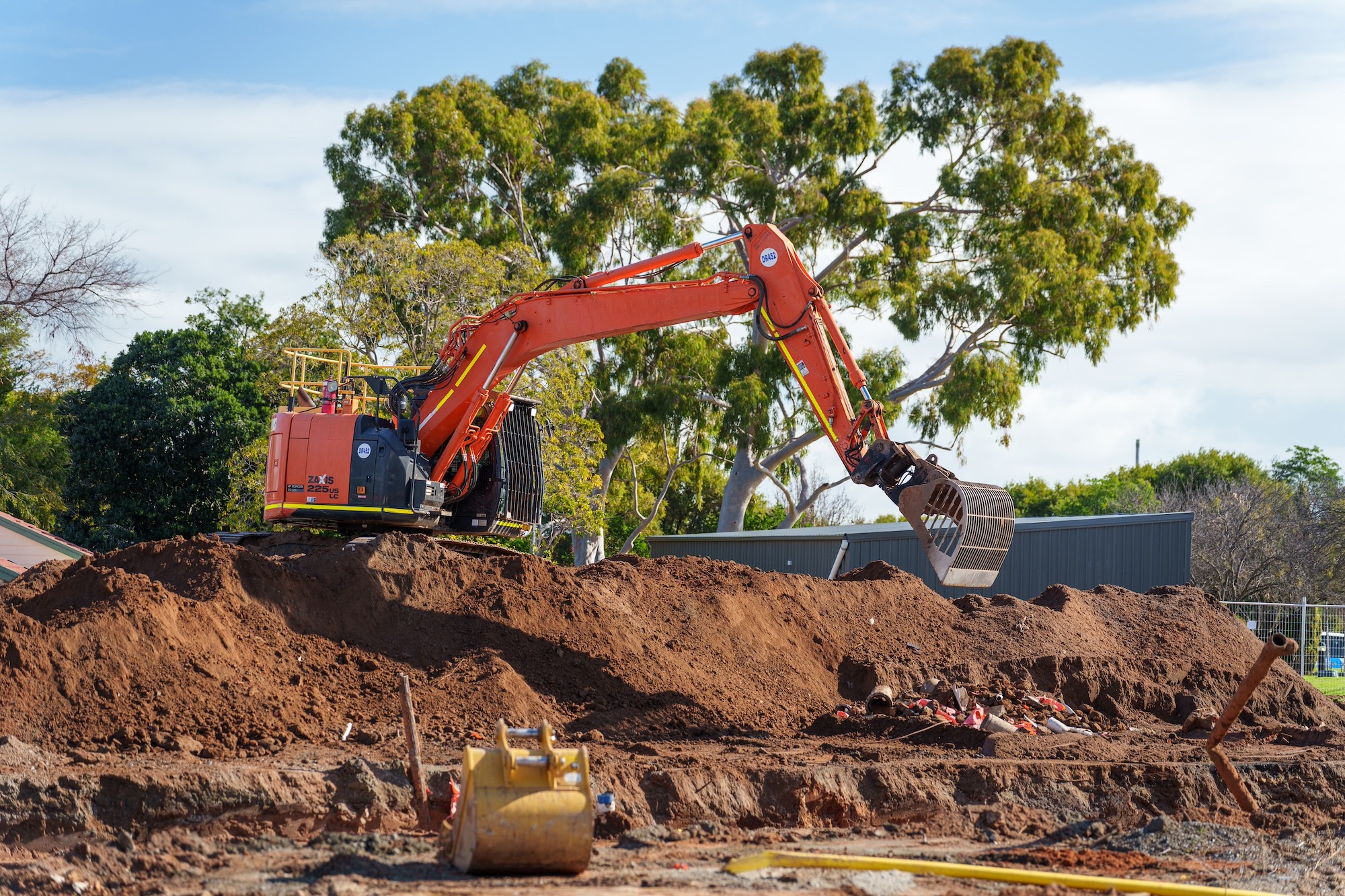
As the world increasingly prioritizes sustainability, industries across the board are re-evaluating their practices to align with eco-friendly standards. The building industry is no exception, particularly when it comes to demolition practices. Traditional demolition methods are often wasteful, leading to significant environmental impacts. However, building deconstruction services offer a sustainable alternative, emphasizing recycling and reusing materials, which not only minimizes waste but also conserves resources.
Understanding Building Deconstruction
Unlike conventional demolition, deconstruction involves carefully dismantling a building with the goal of preserving as many materials as possible for reuse. This process is meticulous and requires skilled labor to ensure materials are not damaged during removal. By employing deconstruction, the lifecycle of building materials is extended, reducing the need for new resources and minimizing landfill waste.
The Benefits of Deconstruction
Implementing deconstruction practices offers numerous benefits that align with sustainability goals:
- Environmental Impact Reduction: By salvaging materials, deconstruction significantly decreases the amount of waste sent to landfills.
- Resource Conservation: Reusing materials reduces the demand for new resources, thus conserving raw materials and energy.
- Economic Opportunities: The resale of salvaged materials can create economic benefits for communities and contribute to a circular economy.
- Job Creation: The labor-intensive nature of deconstruction can generate more employment opportunities compared to traditional demolition.
Deconstruction Process: A Detailed Overview
Site Assessment and Planning
Effective deconstruction begins with a comprehensive site assessment. This phase involves identifying materials that can be salvaged and developing a strategic plan for their removal. Understanding the structural components and potential hazards is crucial for ensuring a safe and efficient process. Discover expert strategies here.
Dismantling and Material Recovery
The next phase involves the systematic dismantling of the structure. Skilled workers carefully remove components such as doors, windows, and timber beams to preserve their integrity. During this stage, materials are sorted and stored for future use or sale. Learn about our tailored solutions here.
Recycling and Reuse
Materials extracted during deconstruction are evaluated for their potential reuse. Some materials can be directly reused in new construction projects, while others may be repurposed or recycled into new products. This approach not only reduces waste but also supports sustainable building practices. Explore advanced guides and tips here.
Challenges and Considerations
While deconstruction offers sustainable benefits, it also presents certain challenges:
- Time and Cost: Deconstruction is typically more time-consuming than traditional demolition, potentially leading to higher initial costs.
- Availability of Skilled Labor: The process requires workers with specific skills and training, which may not always be readily available.
- Market for Salvaged Materials: The success of deconstruction largely depends on the demand for salvaged materials in the local market.
Despite these challenges, the long-term benefits of deconstruction”?both environmental and economic”?often outweigh the initial hurdles. Find out more about this approach here.
The Future of Sustainable Demolition
As awareness around environmental issues continues to grow, the shift towards sustainable demolition practices like deconstruction is expected to gain momentum. Innovations in technology and increased demand for sustainable practices will likely enhance the efficiency and feasibility of deconstruction, making it a standard practice in the construction industry.
By embracing deconstruction services, the building industry can significantly contribute to a more sustainable future, reducing environmental impact while promoting economic and social benefits. For those interested in adopting these practices, further resources and guidance can be explored here.