
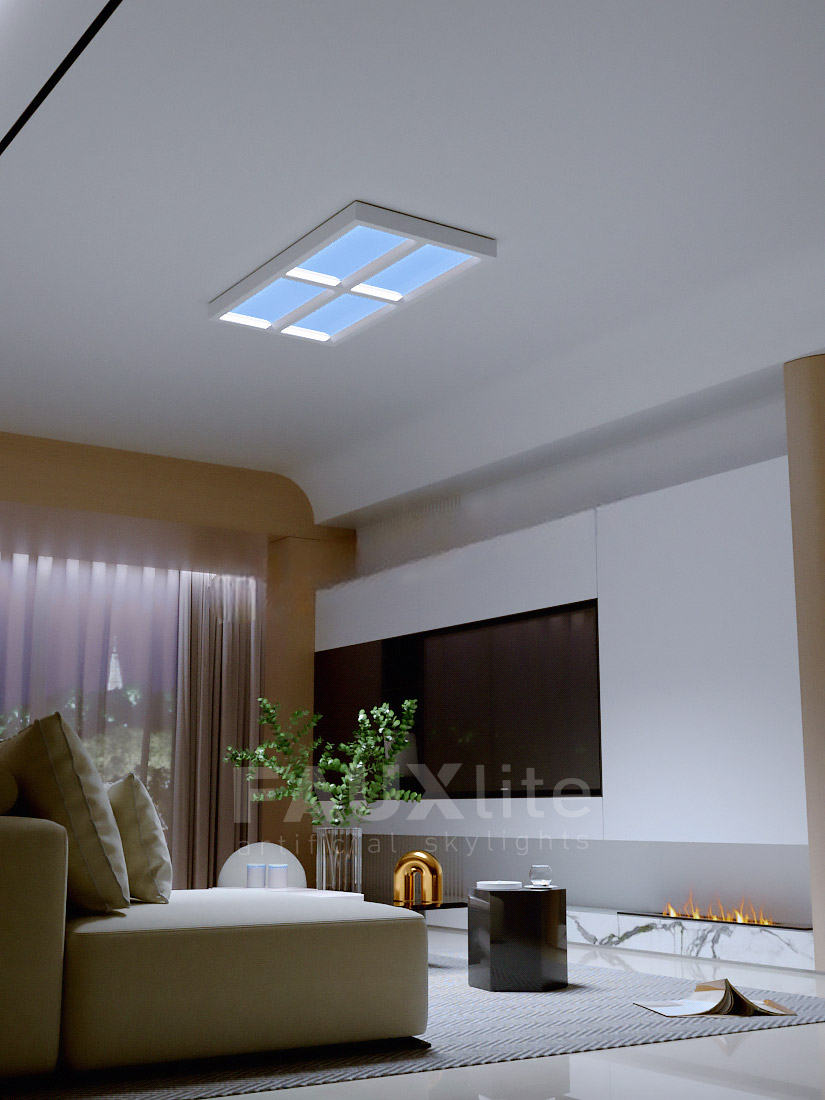
In contemporary architecture and interior design, the emphasis on natural light is more pronounced than ever before. Natural light enhances mood, reduces the need for artificial lighting, and can even help regulate sleep patterns. However, not all spaces are designed or situated in a way that allows for abundant natural light. Enter artificial skylights”?a cutting-edge solution that mimics the effect of natural daylight, transforming any room into a bright, inviting space without the need for structural changes or natural light access.
The Science Behind Artificial Skylights
Artificial skylights leverage advanced LED technology and optical systems to simulate the spectrum and dynamic qualities of natural sunlight. This innovation is particularly beneficial in urban environments or underground spaces where natural light is scarce.
Key Features of Modern Artificial Skylights
- Adjustable Light Temperature: Allows for the customization of light warmth to suit different times of the day or mood preferences.
- Dynamic Brightness Control: Mimics the natural transition of daylight, from dawn to dusk.
- Energy Efficiency: Modern systems are designed to be energy-efficient, reducing electricity consumption significantly.
- Easy Installation: No need for structural changes, making it a versatile option for various types of buildings.
Benefits of Artificial Skylights
Artificial skylights offer numerous benefits beyond mere illumination. They can enhance the aesthetic appeal of interiors while providing practical advantages.
Enhanced Aesthetic Appeal
By simulating natural light, artificial skylights can make spaces appear larger and more inviting. This is particularly useful in windowless rooms or basements. Explore advanced guides and tips on integrating these solutions seamlessly into your design.
Health and Well-being
Exposure to natural-like lighting can have positive impacts on health, including improved mood and productivity. Artificial skylights can replicate these benefits, making them ideal for office spaces, educational institutions, and healthcare facilities. Find out more about this approach to well-being through innovative lighting solutions.
Applications of Artificial Skylights
The versatility of artificial skylights makes them suitable for a myriad of applications across different sectors.
Residential Spaces
In homes, artificial skylights can be used to brighten up kitchens, bathrooms, or basements where natural light is not readily available. This can transform a dimly lit area into a vibrant living space. Learn about our tailored solutions for residential environments.
Commercial and Industrial Settings
In commercial settings, these skylights can improve work environments by providing consistent and comfortable lighting. This can enhance employee productivity and satisfaction. In industrial settings, proper lighting is crucial for safety and operational efficiency. Artificial skylights can provide reliable illumination without the glare or shadows that typical lighting solutions may cause. Discover expert strategies here for implementing these solutions in commercial spaces.
Conclusion
As the demand for natural light solutions grows, artificial skylights present a viable alternative that combines technological innovation with practical application. By effectively simulating natural daylight, they offer an array of benefits that enhance both the aesthetics and functionality of a space. For those looking to improve their lighting without the constraints of physical site limitations, artificial skylights provide a compelling solution that is both effective and efficient. Explore advanced guides and tips on integrating artificial skylights into your design plans.