
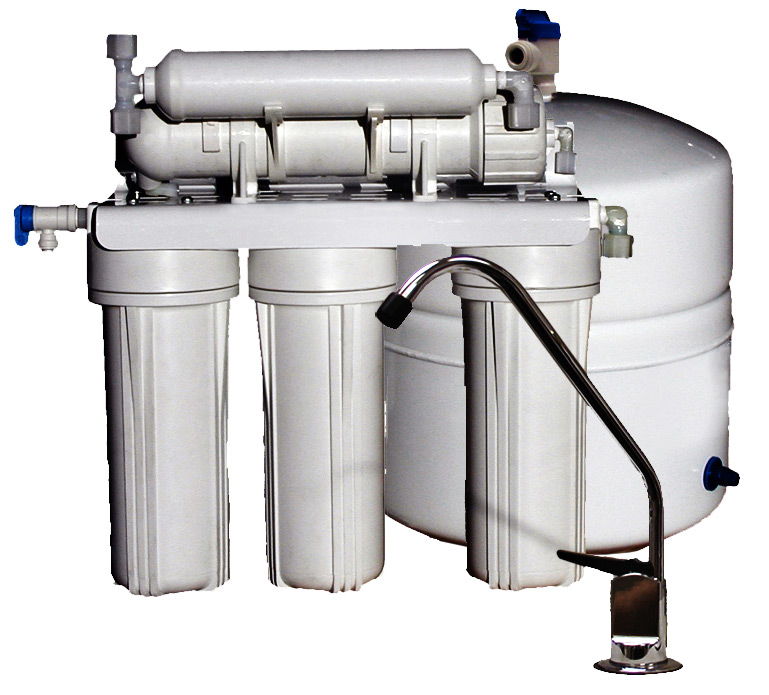
Water quality is a significant concern for homeowners, especially with increasing awareness about contaminants present in tap water. Reverse osmosis (RO) systems have become a popular choice for their ability to effectively purify water. When selecting the best reverse osmosis home system, it’s crucial to consider several factors to ensure it meets your specific needs. This guide will walk you through the essential considerations to help you make an informed decision.
Understand Your Water Quality Needs
Before investing in a reverse osmosis system, it is important to understand the specific quality of your water. Conducting a water test can identify contaminants present in your supply, such as chlorine, lead, or nitrates. This information is vital to determine the level of filtration required in your home. Discover expert strategies here on assessing your water quality effectively.
Consider System Efficiency and Waste
Efficiency is a crucial aspect when selecting a reverse osmosis system. Traditional systems can waste a considerable amount of water. Modern systems, however, are designed to be more water-efficient. When evaluating options, consider:
- The ratio of water produced to water wasted.
- Features like permeate pumps that improve efficiency.
- Systems with low energy consumption.
To ensure optimal performance with minimal waste, explore advanced guides and tips on choosing an efficient system.
Filter Replacement and Maintenance
Regular maintenance and filter replacement are necessary to keep a reverse osmosis system functioning effectively. Consider systems that offer:
- Easy-to-replace filters.
- Long-lasting filter lifespan to reduce maintenance frequency.
- Clear indicators or alerts for filter changes.
Keeping track of maintenance can be daunting. Learn about tailored solutions that simplify maintenance management.
System Size and Installation
The physical size of the system and ease of installation should align with your available space and DIY capabilities. Key considerations include:
- Compact designs for limited space.
- Systems with simple installation processes.
- Professional installation options for complex setups.
For guidance on selecting a system that fits your space, find out more about this approach.
Budget Considerations
When choosing a reverse osmosis system, budget is an important factor. While initial costs can vary, it’s essential to consider long-term expenses, including maintenance and filter replacements. Budgeting tips include:
- Comparing upfront costs versus long-term savings.
- Analyzing the cost-effectiveness of the system’s efficiency.
- Seeking reliable systems with positive reviews for durability.
Need help analyzing costs? Explore advanced guides and tips to maximize your budget.
Brand Reputation and Customer Support
The reputation of the brand and the level of customer support offered can significantly affect your experience with a reverse osmosis system. Look for brands that provide:
- Comprehensive warranties.
- Responsive customer service.
- Positive customer reviews and recommendations.
To ensure you choose a reliable brand, learn about our tailored solutions for trusted recommendations.
In conclusion, selecting the best reverse osmosis home system involves a careful assessment of water quality, system efficiency, maintenance needs, size, budget, and brand reputation. By taking these factors into account, homeowners can ensure they invest in a system that meets their needs and provides safe, purified water for their household.