
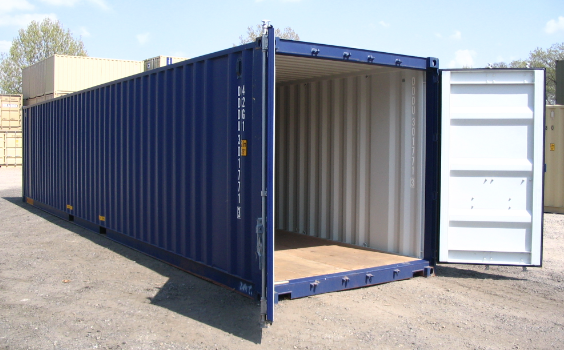
In an era defined by rapid urbanization and environmental consciousness, the construction industry is increasingly turning towards innovative solutions that promise both durability and sustainability. Permanent modular buildings stand at the forefront of this movement, offering a compelling alternative to traditional construction methods. These structures are not only built to last but are also designed with sustainability in mind, making them an ideal choice for businesses and communities aiming to minimize their environmental footprint. This article delves into the key features of permanent modular buildings, exploring their durability and sustainable benefits, while providing insights and resources for those considering this modern construction approach.
Understanding Permanent Modular Buildings
Permanent modular buildings are prefabricated structures, constructed off-site in a controlled factory environment, and then transported to their final location for assembly. This method offers several advantages over conventional construction, including reduced construction time and improved quality control. Permanent modular buildings are not temporary; they are designed to meet or exceed local building codes, ensuring they are as durable and safe as traditional buildings.
Key Features
- Durability: Built to withstand the elements and provide long-term utility, these structures often use high-quality materials and advanced engineering techniques.
- Flexibility: Modular designs allow for easy customization and expansion, making them suitable for a wide range of applications, from schools and offices to healthcare facilities.
- Efficiency: Off-site construction minimizes waste and reduces the environmental impact associated with traditional building methods.
Sustainability Benefits
The push towards sustainable construction practices is a significant factor in the growing popularity of permanent modular buildings. These structures are inherently greener than their traditionally-built counterparts due to several factors:
Reduced Waste
The factory-based construction process allows for precise material use and minimizes waste. Additionally, any excess materials can often be recycled, contributing to a more sustainable building process. Find out more about this approach.
Energy Efficiency
- Improved Insulation: Modular buildings often incorporate advanced insulation techniques, reducing the energy required for heating and cooling.
- Renewable Energy Integration: These buildings can be easily equipped with solar panels and other renewable energy sources, further reducing their carbon footprint.
Resource Conservation
The use of sustainable materials is a hallmark of modular construction. Many manufacturers prioritize the use of renewable or recycled materials, ensuring that the environmental impact is minimized. Explore advanced guides and tips on sustainable practices in modular building.
Applications and Industries
Permanent modular buildings are versatile and applicable across various sectors. Their adaptability and efficiency make them a preferred choice for numerous industries:
- Education: Schools and universities benefit from the rapid construction and cost-effectiveness of modular classrooms and facilities.
- Healthcare: Healthcare providers can quickly expand their facilities with modular clinics and diagnostic centers, maintaining high standards of hygiene and functionality.
- Commercial: Businesses can use modular buildings for office spaces, retail units, and more, enjoying the benefits of a quick and flexible setup.
For more detailed insights into how different industries are leveraging modular buildings, discover expert strategies here.
Conclusion
Permanent modular buildings offer a sustainable, durable, and efficient alternative to traditional construction. As the demand for eco-friendly and cost-effective building solutions grows, modular construction is poised to play a significant role in shaping the future of the built environment. By choosing modular, organizations can significantly reduce their environmental impact while benefiting from the flexibility and durability these structures provide. Learn about our tailored solutions for implementing modular buildings that meet specific needs and sustainability goals.