add share buttons

IMBAJP

Commercial Kitchen Equipment for Sale at Unbeatable Prices

Generated Image

The modern culinary landscape demands efficiency, reliability, and innovation, particularly in commercial settings. Whether you are launching a new restaurant, expanding your food service operations, or seeking to upgrade existing facilities, selecting the right commercial kitchen equipment is crucial. The need for quality appliances that offer both performance and cost-effectiveness cannot be overstated. Fortunately, there are various options available for acquiring top-notch commercial kitchen equipment at unbeatable prices. This article delves into the different categories of essential kitchen equipment, highlighting their significance and offering insights into making informed purchasing decisions.

Key Categories of Commercial Kitchen Equipment

When outfitting a commercial kitchen, understanding the fundamental categories of equipment is essential. Each category serves a specific purpose, contributing to the overall efficiency and productivity of a culinary operation.

Cooking Equipment

Cooking is at the heart of any kitchen operation, and having the right cooking equipment is vital. Essential cooking equipment includes:

  • Ovens: Convection, combination, and conveyor ovens.
  • Ranges: Gas and electric ranges with multiple burner options.
  • Grills: Charbroilers, flat-top grills, and specialty grills.
  • Fryers: Deep fryers and air fryers for efficient frying needs.

These items ensure that food is prepared efficiently and consistently. For those interested in exploring these options further, read more about this topic.

Refrigeration Equipment

Proper refrigeration is crucial for maintaining food safety and quality. Key refrigeration equipment includes:

  • Refrigerators: Walk-in coolers, reach-in refrigerators.
  • Freezers: Chest freezers, upright freezers, and blast chillers.
  • Ice Machines: Essential for beverages and food preservation.

Reliable refrigeration equipment ensures optimal storage conditions, which is paramount for any food service operation. Explore further insights here for more information on selecting the right refrigeration solutions.

Food Preparation Equipment

Preparing ingredients efficiently can significantly impact the workflow in a commercial kitchen. Important food preparation equipment includes:

  • Mixers: Planetary mixers, spiral mixers for dough preparation.
  • Food Processors: Versatile tools for slicing, dicing, and chopping.
  • Slicers: Ideal for meats, cheeses, and vegetables.

Investing in high-quality food preparation equipment can streamline operations and enhance overall productivity. Find additional information here on optimizing your food preparation processes.

Factors to Consider When Purchasing Kitchen Equipment

Making well-informed decisions when purchasing commercial kitchen equipment involves considering multiple factors to ensure the best returns on investment.

Quality and Durability

Prioritize equipment built from high-quality materials that promise longevity and consistent performance. Durable equipment reduces maintenance costs and downtime, ensuring seamless kitchen operations.

Energy Efficiency

Energy-efficient appliances not only reduce operational costs but also contribute to a more sustainable environment. Look for equipment with energy-saving features that align with your kitchen’s needs.

Size and Capacity

Ensure the equipment fits the available space and meets the volume requirements of your kitchen. Over-sized or under-capacity equipment can hinder kitchen efficiency and productivity.

Cost and Warranty

While price is a significant consideration, it should not come at the expense of quality. Opt for equipment that offers a balance between cost and features. Additionally, check for warranty options to safeguard your investment.

Selecting the right commercial kitchen equipment requires careful consideration of various factors. For those seeking to make informed decisions, learn more in this detailed guide on effective kitchen equipment purchasing strategies.

Elevate Your Style with a Women’s Clothing Boutique Experience

Generated Image

In the world of fashion, personal style is an expression of individuality and creativity. Choosing the right pieces to complement one’s wardrobe can elevate a person’s confidence and presence. A women’s clothing boutique offers a unique shopping experience that goes beyond just purchasing clothes; it provides an opportunity to discover one’s personal style, guided by expert advice and carefully curated collections. This article delves into the transformative power of boutique shopping and how it can enhance your wardrobe with timeless, chic pieces.

The Boutique Shopping Experience

Boutique shopping is unlike any other retail experience. It’s personal, intimate, and tailored to the customer’s needs. Here are some aspects that make it stand out:

  • Personalized Service: Boutique staff are often trained to provide personalized styling advice, helping shoppers find pieces that match their unique tastes and body types. Discover expert strategies here.
  • Curated Collections: Rather than overwhelming shoppers with a vast selection, boutiques offer a curated array of clothing that reflects current trends and classic styles, ensuring quality over quantity.
  • Exclusive Pieces: Many boutiques carry exclusive items that are not available in larger retail stores, offering customers a chance to find unique pieces that stand out.

Understanding Your Personal Style

One of the greatest benefits of shopping at a women’s clothing boutique is the ability to refine and define personal style. Boutiques often offer consultations and style guides that are instrumental in this journey. Learn about tailored solutions here.

Elements of Personal Style

  • Color Palette: Understanding which colors complement your skin tone can transform your wardrobe. Boutiques often have a selection tailored to various complexions.
  • Silhouette and Fit: Finding the right fit is crucial. Boutique staff can guide customers in choosing silhouettes that flatter their figure, enhancing confidence and comfort.
  • Accessorizing: Accessories can make or break an outfit. Boutiques provide a range of accessories to help complete any look, from statement jewelry to subtle scarves.

Benefits of Boutique Shopping

Beyond the personalized service and exclusive offerings, boutique shopping provides several additional advantages that contribute to an enhanced shopping experience. Explore advanced guides and tips here.

  • Community Connection: Boutiques often foster a sense of community, hosting events and workshops that allow customers to connect with like-minded fashion enthusiasts.
  • Supporting Local Businesses: Shopping at boutiques often means supporting small, local businesses, contributing to the local economy and community.
  • Quality Over Quantity: Boutiques emphasize quality, offering durable and well-made clothing that withstands the test of time, reducing the need for frequent replacements.

Conclusion: Elevate Your Wardrobe

A visit to a women’s clothing boutique is more than just a shopping trip; it’s an opportunity to elevate one’s wardrobe and personal style. With personalized service, curated collections, and exclusive pieces, boutiques offer a shopping experience that is both enriching and enjoyable. Find out more about this approach and discover how boutique shopping can transform not only your wardrobe but also your confidence and sense of style. By embracing the unique offerings of a boutique, one can cultivate a wardrobe that reflects their individuality and personal flair.

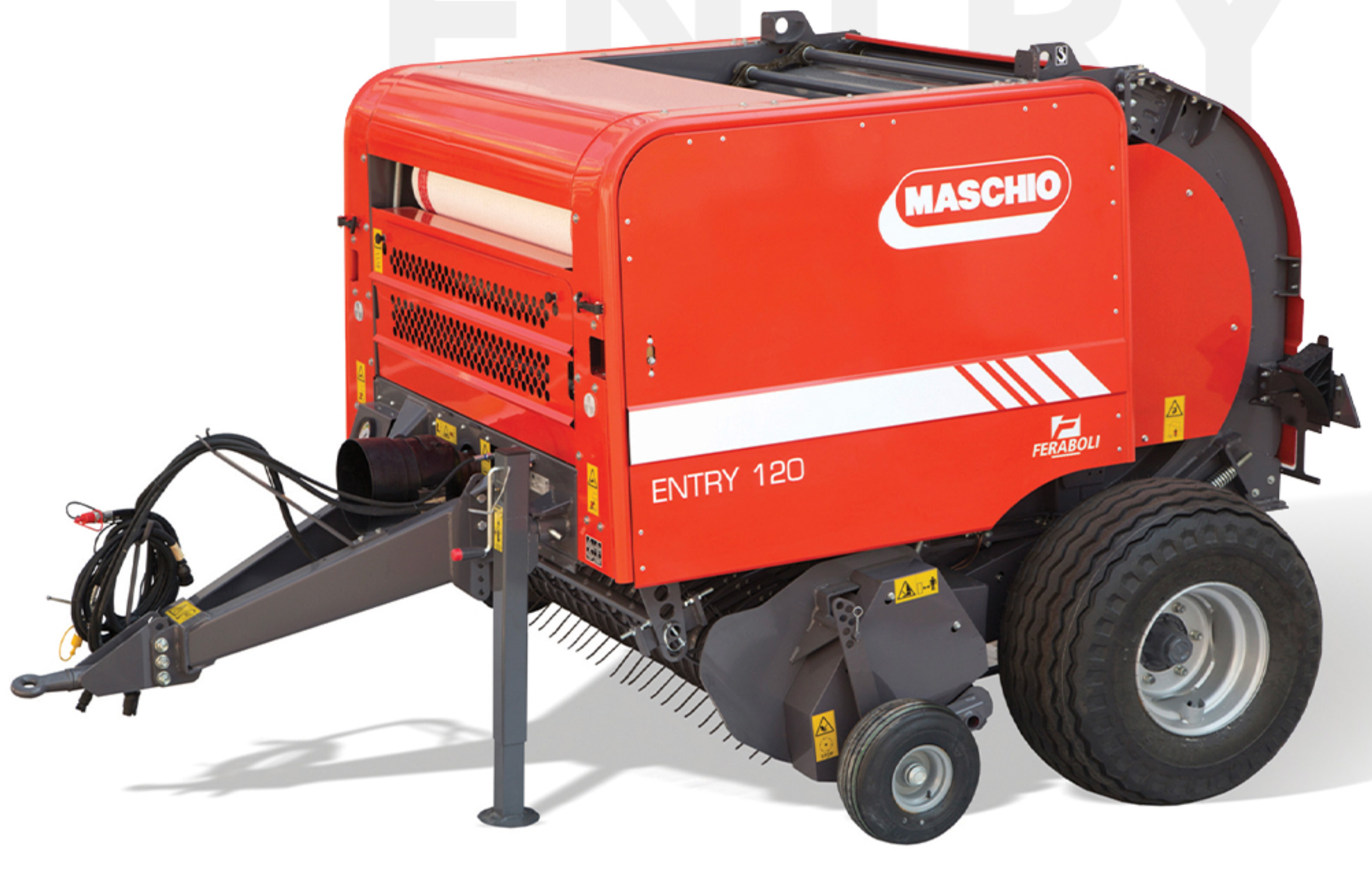
Farm Tools Suppliers: Quality Products for Farmers

Generated Image

In modern agriculture, the efficiency and productivity of a farm are heavily reliant on the quality of tools and equipment used. Farmers today are faced with the challenge of selecting the right tools from a plethora of options available in the market. It becomes essential to source these tools from reliable suppliers who offer high-quality products that ensure durability and performance. This article delves into the importance of choosing the right farm tool suppliers and the factors that farmers should consider to make informed decisions.

Importance of Quality Farm Tools

High-quality farm tools are crucial for several reasons:

  • They enhance the efficiency of farming operations, enabling farmers to complete tasks faster and with greater ease.
  • Durability and longevity reduce the need for frequent replacements, leading to cost savings in the long run.
  • Reliable tools minimize the risk of accidents and injuries, promoting a safer working environment.

For more information on the significance of quality tools in farming, read more about this topic.

Factors to Consider When Choosing a Supplier

Selecting the right supplier is a critical step for farmers looking to invest in farm tools. Here are some essential considerations:

Product Range and Availability

A supplier with a wide range of products allows farmers to choose tools that best fit their specific needs. Availability of stock is also important to ensure timely procurement, especially during peak farming seasons.

Quality Assurance

Suppliers should provide a guarantee of quality, often backed by certifications or standards that ensure the tools meet industry requirements. Farmers can explore further insights here on how to assess tool quality.

Customer Support and After-Sales Service

Reliable customer support is essential for addressing any issues that may arise post-purchase. Suppliers offering excellent after-sales service, including maintenance and repair, add significant value to the customer experience.

Price and Payment Options

Competitive pricing is crucial, but it should not come at the expense of quality. Flexible payment options can also be beneficial, enabling farmers to manage their cash flow effectively.

Trends in Farm Tool Supply

The agricultural industry is continually evolving, and suppliers are adapting to meet the changing needs of farmers. Current trends include:

  • Adoption of smart technology and digital tools for precision farming.
  • Increased focus on sustainability, with tools designed to minimize environmental impact.
  • Customization options that allow farmers to modify tools to suit specific applications.

Learn more in this detailed guide about how these trends are shaping the future of farming.

The Role of Innovation in Farm Tools

Innovation plays a key role in improving the functionality and efficiency of farm tools. Cutting-edge technologies and materials are being incorporated into tool design, resulting in products that are lighter, more durable, and easier to use.

For instance, innovations in materials have led to the development of corrosion-resistant tools that perform better in harsh environmental conditions. Additionally, ergonomic designs are becoming more prevalent, reducing physical strain on farmers.

Find additional information here on how innovation is driving advancements in farm equipment.

In conclusion, selecting the right farm tools supplier is a strategic decision that can significantly impact a farmer?s productivity and profitability. By prioritizing quality, range, customer service, and adaptability to new trends, farmers can ensure they are equipped with the best tools to meet their needs.

The Benefits of an Integrated Healthcare System

Generated Image

In today’s fast-paced world, the demand for efficient and effective healthcare systems is more pressing than ever. Integrated healthcare systems are designed to meet these demands by offering a cohesive approach to patient care. Such systems enhance the coordination of various healthcare services, ultimately improving patient outcomes and optimizing resource use. Understanding the benefits of an integrated healthcare system is crucial for stakeholders across the healthcare industry, including patients, providers, and policymakers. By integrating services, healthcare systems can offer more comprehensive, patient-centered care, reducing redundancies and fostering communication between different healthcare providers.

Enhancing Patient Care

Integrated healthcare systems prioritize patient-centered care by ensuring that various healthcare services work in harmony. This approach benefits patients in several ways:

  • Improved Communication: Seamless communication between healthcare providers leads to better-informed treatment decisions.
  • Continuity of Care: Patients experience fewer disruptions in their care journey, enhancing treatment outcomes.
  • Comprehensive Care Plans: Coordinated efforts result in well-rounded care plans that address all aspects of a patient’s health.

For those interested in exploring innovative strategies in patient care, Discover expert strategies here.

Efficiency in Healthcare Delivery

An integrated healthcare system streamlines operations and reduces inefficiencies, which can significantly lower costs and improve service delivery. Key benefits include:

  • Resource Optimization: Efficient use of resources reduces waste and enhances service delivery.
  • Reduced Redundancies: By eliminating duplicated services, healthcare providers can focus on essential patient needs.
  • Time-Saving: Streamlined processes save time for both providers and patients, allowing more focus on care.

To learn how tailored solutions can enhance efficiency in healthcare, Learn about our tailored solutions.

Data-Driven Decision Making

Integrated systems facilitate the collection and analysis of comprehensive healthcare data. This supports informed decision-making and enhances overall care quality:

  • Data Sharing: Enhanced data sharing improves diagnosis accuracy and treatment effectiveness.
  • Predictive Analytics: Data-driven insights allow for proactive healthcare management and prevention strategies.
  • Personalized Treatment: By leveraging big data, healthcare providers can offer personalized care plans.

For advanced guides and tips on implementing data-driven strategies, Explore advanced guides and tips.

Challenges and Solutions

While the benefits of integrated healthcare systems are significant, challenges such as interoperability issues and resistance to change remain. Addressing these challenges requires:

  • Technological Solutions: Investing in compatible technologies that facilitate seamless data exchange.
  • Stakeholder Engagement: Involving all stakeholders in the transition process to ensure smooth adoption.
  • Ongoing Training: Continuous education and training for healthcare providers to adapt to new systems.

To find out more about this approach and how it can overcome healthcare challenges, Find out more about this approach.

Exploring the Role of Magnesium Glycinate Complex in Daily Nutrition

Generated Image

In the realm of nutritional supplements, magnesium has long been recognized for its pivotal role in maintaining overall health. Among the various forms of magnesium supplements available, magnesium glycinate complex stands out for its superior absorption and bioavailability. As individuals increasingly seek effective ways to support their health, understanding the benefits and applications of magnesium glycinate complex becomes essential.

What is Magnesium Glycinate Complex?

Magnesium glycinate complex is a compound that combines magnesium with glycine, an amino acid. This formulation is known for its gentle impact on the digestive system and enhanced absorption compared to other magnesium supplements. This makes it a preferred choice for individuals who need to increase their magnesium intake without experiencing gastrointestinal discomfort.

Key Benefits of Magnesium Glycinate Complex

  • Enhanced Absorption: The glycine component enhances magnesium’s absorption into the bloodstream, maximizing its efficacy.
  • Gentle on the Stomach: Unlike other forms of magnesium, it is less likely to cause digestive disturbances.
  • Supports Muscle Function: Magnesium is crucial for muscle relaxation and contraction, making it vital for athletes and individuals with active lifestyles.
  • Promotes Relaxation and Sleep: The calming properties of glycine may aid in improving sleep quality and reducing stress.

The Role of Magnesium in the Body

Magnesium is involved in more than 300 enzymatic reactions in the body. Its functions include:

  • Energy Production: Contributing to the conversion of food into energy.
  • Protein Synthesis: Assisting in the creation of new proteins from amino acids.
  • Bone Health: Playing a critical role in the structural development of bones.
  • Nervous System Regulation: Aiding in neurotransmitter function, crucial for nerve communication.

Given these vital roles, magnesium deficiency can lead to a variety of health issues, highlighting the importance of maintaining adequate levels.

Integrating Magnesium Glycinate Complex into Daily Nutrition

Incorporating magnesium glycinate complex into a daily routine can be a strategic step in ensuring adequate magnesium intake. It is particularly beneficial for:

  • Individuals with dietary restrictions that limit magnesium-rich foods.
  • People experiencing high levels of stress or poor sleep quality.
  • Those involved in regular physical activity or exercise.

It is recommended to consult with a healthcare professional before starting any supplement regimen, especially for those with pre-existing health conditions or who are pregnant.

Choosing the Right Supplement

When selecting a magnesium supplement, consider the form, dosage, and any additional ingredients that may enhance its benefits. The Magnesium Glycinate Complex is often recommended for its balanced formulation and high absorption rate. It is crucial to follow the dosage instructions provided by the manufacturer or healthcare provider to ensure optimal results.

Conclusion

Magnesium glycinate complex offers a highly absorbable and gentle option for those seeking to improve their magnesium intake. Its role in supporting various bodily functions, including muscle health and relaxation, makes it a valuable addition to daily nutrition. As awareness of its benefits grows, more individuals are likely to consider it as part of their health and wellness strategies. For anyone looking to optimize their magnesium levels, exploring options such as magnesium glycinate complex may prove beneficial.

Find the Best Tonneau Cover Sales Near You

Generated Image

The search for the perfect tonneau cover can be daunting, given the myriad options available in the market. A tonneau cover not only enhances the aesthetic appeal of your truck but also provides added security and protection against the elements. Whether you are looking for a hard or soft cover, retractable or roll-up, the key is to find a reliable dealer offering the best deals near you. With a few strategic considerations and resources, you can make an informed decision that fits both your truck and your budget.

Understanding Tonneau Covers

Tonneau covers come in various forms, each offering unique benefits. Understanding the differences can help narrow down your options:

  • Soft Covers: Generally more affordable and easier to install, offering flexibility and lightweight protection.
  • Hard Covers: Provide enhanced security and durability, often with a sleek, seamless look.
  • Retractable Covers: Offer convenience with easy access and operation, ideal for frequent use.
  • Folding Covers: Versatile in use, allowing for partial or full bed access.

For more detailed insights into these options, discover expert strategies here.

Where to Find the Best Tonneau Cover Sales

Finding the best sales involves a mix of online research and local exploration. Here are some effective strategies:

  • Online Retailers: Websites like this one often host sales events and provide competitive pricing.
  • Local Dealerships: Visiting local automotive accessory stores can offer the advantage of seeing covers in person and getting expert advice.
  • Truck Shows and Events: These events are excellent opportunities to find exclusive deals from multiple vendors at once.

To learn about tailored solutions for your truck model, find out more about this approach.

Timing Your Purchase

Timing can significantly affect your purchase price. Here are some tips on when to buy:

  • End of Season Sales: Retailers often offer discounts at the end of a season to clear inventory.
  • Holiday Promotions: Major holidays typically bring significant sales events, providing an opportunity for savings.
  • New Model Releases: When new models are released, previous versions often go on sale.

For more tips on maximizing savings, explore advanced guides and tips.

Evaluating Quality and Features

A good deal is not just about price but also about value. Consider these factors when evaluating tonneau covers:

  • Material Quality: Ensure the cover material is durable and suitable for your climate conditions.
  • Installation Ease: Some covers are easier to install than others; consider if you prefer DIY installation or professional help.
  • Warranty and Support: A robust warranty and excellent customer support can enhance peace of mind.

To learn more about evaluating product quality, explore advanced guides and tips.

Conclusion

Finding the best tonneau cover sales near you involves understanding your needs, exploring various purchasing options, and timing your purchase strategically. By leveraging both online resources and local opportunities, you can make a well-informed decision that enhances your truck’s functionality and appearance. For more comprehensive guidance, learn about our tailored solutions.

Leading CHAP Accreditation Consulting Services Available

Generated Image

In the ever-evolving landscape of healthcare, maintaining compliance with regulatory standards is paramount for ensuring quality patient care and operational efficiency. Accreditation serves as a critical component, providing healthcare organizations with validation of their commitment to excellence. Among the various accreditation bodies, the Community Health Accreditation Partner (CHAP) stands out as a leader in advancing the highest standards for home and community-based healthcare services. For healthcare providers seeking to achieve or maintain CHAP accreditation, working with experienced consultants can be invaluable. Leading CHAP accreditation consulting services offer the expertise and guidance necessary to navigate the complexities of the accreditation process.

Understanding CHAP Accreditation

CHAP accreditation is a widely recognized mark of quality that signifies an organization’s dedication to improving healthcare outcomes. It encompasses a comprehensive review process that assesses compliance with established standards, ensuring that organizations are delivering safe, effective, and accessible care. As such, obtaining CHAP accreditation can enhance an organization’s reputation and operational performance.

The Role of CHAP Accreditation Consultants

CHAP accreditation consultants play a pivotal role in guiding healthcare organizations through the accreditation process. With their extensive knowledge of CHAP standards and regulations, these consultants provide tailored solutions to meet the unique needs of each client. Their services often include:

  • Conducting gap analyses to identify areas for improvement.
  • Developing comprehensive action plans to address compliance issues.
  • Providing training and support to staff to ensure understanding and adherence to CHAP standards.
  • Assisting with documentation and application preparation.
  • Offering ongoing support to maintain compliance post-accreditation.

Why Choose Expert Accreditation Consulting Services?

Partnering with expert healthcare accreditation consultants provides several advantages. These professionals bring a wealth of experience and industry insights that can streamline the accreditation journey, enabling organizations to achieve their goals more efficiently. Additionally, utilizing specialized consulting services can lead to:

  • Improved operational practices that align with best industry standards.
  • Increased staff confidence and competence in delivering quality care.
  • Reduced risk of non-compliance and associated penalties.
  • Enhanced credibility and competitive edge in the healthcare market.

Exploring Broader Accreditation Options

While CHAP accreditation is vital for many providers, there are numerous other accreditation programs available to suit diverse healthcare settings. Healthcare accreditation consulting firms often offer services for a range of accreditations, including:

Choosing the Right Consulting Partner

Selecting the right consulting partner is crucial for successful accreditation and compliance. When evaluating potential accreditation and compliance consulting providers, consider the following factors:

  • Experience and track record in your specific healthcare sector.
  • Comprehensive understanding of relevant accreditation standards.
  • Ability to provide customized services tailored to your organization?s needs.
  • Availability of ongoing support and resources for maintaining compliance.

In conclusion, navigating the accreditation landscape can be complex, but with the right support, healthcare organizations can achieve and maintain the highest standards of care. Engaging with CHAP accreditation consulting experts ensures a smoother process and positions healthcare providers for long-term success and compliance.

Addressing Hand Pain in Newport Beach: Causes, Symptoms, and Treatment

Generated Image

Hand pain is a common issue that affects many individuals, especially those living in areas with active lifestyles such as Newport Beach. Whether due to repetitive stress, injuries, or underlying medical conditions, hand pain can significantly impede daily activities and reduce quality of life. Understanding the causes and symptoms, along with knowing available treatment options, can help individuals manage this discomfort effectively.

Causes of Hand Pain

Hand pain can arise from various sources, and identifying the root cause is crucial for effective treatment. Some common causes include:

  • Repetitive Motion Injuries: Activities that involve repeated hand movements, such as typing or playing musical instruments, can lead to strain and pain.
  • Arthritis: A prevalent cause of hand pain, arthritis can inflame joints, leading to pain and stiffness.
  • Carpal Tunnel Syndrome: This condition results from pressure on the median nerve, causing pain, tingling, and numbness in the hand.
  • Fractures and Sprains: Injuries from falls or accidents can lead to fractures or sprains, causing significant hand pain.
  • Tendonitis: Inflammation of the tendons can result in pain, particularly when moving the affected hand.

Symptoms to Watch For

Recognizing the symptoms of hand pain early can lead to prompt treatment. Common symptoms include:

  • Pain or Aching: Persistent pain or a dull ache in the hand.
  • Swelling: Visible swelling can indicate inflammation or injury.
  • Numbness or Tingling: Often associated with nerve compression or carpal tunnel syndrome.
  • Stiffness: Difficulty in moving fingers or the entire hand.
  • Weakness: Reduced grip strength or inability to hold objects.

Treatment Options

Effective management of hand pain in Newport Beach involves a combination of self-care strategies, medical treatment, and possibly surgical interventions. Treatment options include:

Self-care and Non-invasive Treatments

  • Rest and Ice: Giving the hand a break from activities and applying ice can reduce inflammation and pain.
  • Compression and Elevation: Wearing a compression bandage and elevating the hand can help manage swelling.
  • Over-the-counter Pain Relievers: Medications like ibuprofen can alleviate pain and inflammation.
  • Physical Therapy: Exercises to strengthen hand muscles and improve flexibility.

Medical Interventions

  • Prescription Medications: In some cases, stronger medications may be necessary to manage pain effectively.
  • Injections: Corticosteroid injections can provide relief from pain and inflammation.
  • Surgery: For severe cases, surgical intervention may be necessary to correct underlying issues, such as nerve compression or joint damage.

Conclusion

Addressing hand pain requires a comprehensive understanding of its causes and symptoms. With a variety of treatment options available, individuals can find relief and regain their quality of life. Those experiencing persistent hand pain should consider consulting a healthcare professional in Newport Beach to explore tailored treatment options. For more information on managing hand pain, visit this resource.

Understanding the Basics: How Does a Reverse Mortgage Work?

Generated Image

A reverse mortgage is a financial product designed to help homeowners, typically aged 60 and above, access the equity in their home. Unlike a traditional mortgage where the borrower makes payments to the lender, with a reverse mortgage, the lender makes payments to the borrower. This financial tool can be a viable option for those looking to supplement their retirement income, fund home improvements, or cover healthcare expenses. Understanding the intricacies of how a reverse mortgage works is crucial for anyone considering this option. This article aims to break down the essential components and considerations of reverse mortgages.

What is a Reverse Mortgage?

A reverse mortgage is a loan available to homeowners that allows them to convert part of the equity in their home into cash. The amount that can be borrowed depends on several factors, including the age of the homeowner, the value of the home, and current interest rates. The loan is repaid when the homeowner sells the home, moves out permanently, or passes away.

Key Features of a Reverse Mortgage

  • Eligibility is generally restricted to homeowners aged 60 or older.
  • The home must be the primary residence.
  • Loan proceeds can be received as a lump sum, line of credit, or regular monthly payments.
  • No monthly mortgage payments are required.
  • The loan is typically repaid from the sale of the home.

Advantages of a Reverse Mortgage

For those considering a reverse mortgage, several benefits could make this option appealing:

  • Provides a steady stream of income in retirement.
  • No need to sell the home to access funds.
  • Flexibility in how funds are used, whether for daily expenses or larger financial needs.
  • Interest on the loan is not payable until the home is sold.

To explore advanced guides and tips, discover expert strategies here.

Considerations and Risks

While reverse mortgages offer numerous benefits, potential borrowers should be aware of the risks and considerations involved:

  • Interest and fees can accumulate over time, reducing the equity in the home.
  • The loan needs to be repaid when the homeowner moves out or passes away, which may affect inheritance plans.
  • Eligibility requirements must be strictly adhered to.

For those interested in tailored solutions, learn about our tailored solutions.

How to Apply for a Reverse Mortgage

Applying for a reverse mortgage involves several steps:

  • Research and understand the terms and conditions of reverse mortgages.
  • Consult with a financial advisor to assess suitability.
  • Choose a reputable lender with experience in reverse mortgages.
  • Complete the application process, which includes a financial assessment.

To find out more about this approach, explore advanced guides and tips.

Conclusion

Reverse mortgages can be an effective tool for accessing the equity in a home, providing financial flexibility in retirement. However, they are not suitable for everyone. Understanding the terms and potential implications, and seeking professional advice, is essential. For more resources and expert insights, find out more about this approach.

Comprehensive Heating Cooling Services for Your Home

Generated Image

Maintaining a comfortable home environment is essential for well-being, and a critical component of this comfort lies in effective heating and cooling systems. Homeowners today have access to a wide array of heating and cooling solutions, each designed to cater to specific needs and preferences. Understanding these services is vital for ensuring energy efficiency, cost-effectiveness, and optimal performance. This article delves into the various comprehensive heating and cooling services available for residential properties, highlighting their importance and how they contribute to a comfortable living space.

Understanding Heating Services

Heating services are crucial for maintaining warmth during colder months. They encompass a range of solutions tailored to different types of homes and climates. Key heating services include:

  • Furnace Installation and Repair: Furnaces are a common heating solution, and professional installation ensures they operate efficiently. Repair services address any malfunctions, helping to maintain consistent heat output.
  • Heat Pumps: These devices are versatile, providing both heating and cooling. They are energy-efficient, making them a popular choice for eco-conscious homeowners.
  • Radiant Heating Systems: Ideal for those seeking uniform heat distribution, radiant systems can be installed in floors or walls, providing gentle, consistent warmth.

For a more in-depth exploration of heating solutions, explore further insights here.

Cooling Services Explained

Cooling systems are indispensable during the warmer months, ensuring indoor environments remain comfortable. The following services are integral to efficient cooling:

  • Air Conditioning Installation and Maintenance: Proper installation is crucial for system efficiency, while regular maintenance extends the lifespan of air conditioning units.
  • Ductless Mini-Splits: These systems are perfect for homes without existing ductwork, offering both heating and cooling capabilities with high energy efficiency.
  • Thermostat Services: Smart thermostats provide precise control over indoor temperatures, enhancing comfort and reducing energy costs.

To read more about this topic, consider visiting additional resources.

The Importance of Regular Maintenance

Routine maintenance of heating and cooling systems is vital for ensuring their longevity and optimal performance. Key maintenance services include:

  • System Inspections: Regular inspections help identify potential issues before they escalate, saving homeowners from costly repairs.
  • Cleaning and Filter Replacement: Clean systems run more efficiently, while regular filter replacement ensures healthy indoor air quality.
  • Performance Tune-Ups: These services optimize system performance and help in maintaining energy efficiency.

For detailed guidance on maintenance practices, learn more in this detailed guide.

Choosing the Right Service Provider

Selecting a reliable heating and cooling service provider is essential for ensuring quality and efficiency. Consider the following factors when making a decision:

  • Experience and Expertise: Opt for providers with a proven track record and comprehensive knowledge of different systems.
  • Customer Service: Effective communication and customer support are key components of a satisfactory service experience.
  • Certifications and Licenses: Ensure the provider holds the necessary certifications and licenses to operate legally.

Find additional information here on how to choose a service provider that meets your needs.

Conclusion

Comprehensive heating and cooling services play a pivotal role in maintaining a comfortable and energy-efficient home. By understanding the various options available and the importance of regular maintenance, homeowners can make informed decisions that enhance their living spaces. Investing in professional services ensures systems run efficiently, reduces energy costs, and prolongs the lifespan of essential appliances. For more insights into heating and cooling solutions, explore further insights here.

IMBAJP