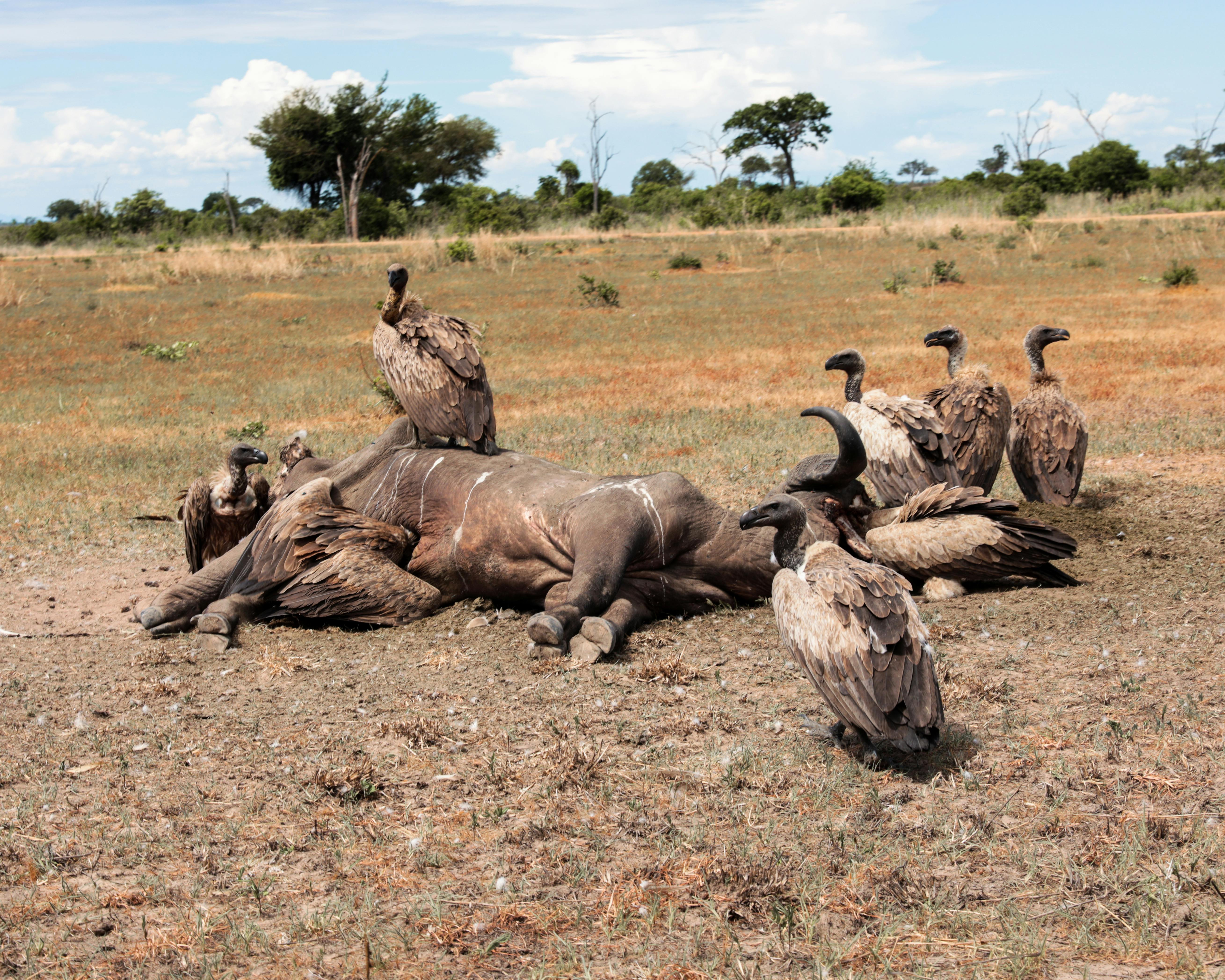
Dealing with deceased animals on your property can be uncomfortable and concerning. Whether the animal died of natural causes or due to unfortunate circumstances, it is essential to address the situation promptly and safely. Proper removal is crucial to prevent health risks and maintain a hygienic environment. This guide provides an organized approach to safely removing deceased animals, focusing on health precautions, legal considerations, and effective disposal methods.
Understanding the Health Risks
The presence of a dead animal can pose several health risks, including the spread of disease and the attraction of pests. These risks necessitate immediate attention to ensure the safety of residents and pets. Some of the primary health concerns include:
- Spread of zoonotic diseases that can be transmitted to humans.
- Attraction of insects such as flies, which can lead to infestations.
- Potential for unpleasant odors that can permeate living areas.
For more detailed information on handling these risks, explore advanced guides and tips provided by experts.
Legal and Ethical Considerations
Before removing a deceased animal, it is important to consider local laws and regulations. Different regions may have specific guidelines regarding the handling and disposal of animal remains. Key points to consider include:
- Checking local wildlife laws for permits or restrictions.
- Understanding the legal requirements for disposal methods.
- Ensuring humane and respectful treatment of the remains.
To navigate these considerations effectively, learn about our tailored solutions that comply with legal standards.
Methods for Safe Removal
Personal Safety Measures
When handling deceased animals, personal safety should be a priority. Equip yourself with appropriate protective gear to minimize contact and potential exposure. Recommended safety measures include:
- Wearing gloves and masks to prevent direct contact.
- Using disposable bags to contain and transport the remains.
- Ensuring thorough handwashing after handling.
For a comprehensive approach to safe removal, discover expert strategies here.
Disposal Techniques
Proper disposal is crucial to prevent environmental contamination and comply with legal requirements. Some effective disposal methods include:
- Contacting local animal control or wildlife services for assistance.
- Utilizing designated landfill sites that accept animal remains.
- Considering composting in accordance with local guidelines.
To ensure proper disposal, find out more about this approach which aligns with industry standards.
Conclusion
Handling deceased animals with care is essential to maintain a safe and healthy environment. By understanding the health risks, adhering to legal requirements, and employing safe removal and disposal techniques, property owners can address this sensitive issue effectively. For further insights and professional guidance, explore advanced guides and tips to manage deceased animals on your property responsibly.